If you are drawn to older homes with real presence, Palma Ceia and Hyde Park likely sit high on your list. Both South Tampa neighborhoods offer charm, established streetscapes, and homes that feel distinct from newer construction, but buying a character home here takes more than falling in love with a front porch or original windows. Knowing what gives these homes their appeal, what changes may need approval, and what to check before closing can help you buy with confidence. Let’s dive in.
Why Palma Ceia and Hyde Park Stand Out
Hyde Park and Palma Ceia are both established South Tampa neighborhoods, but they offer different versions of character. The City of Tampa describes Historic Hyde Park as Tampa’s oldest existing neighborhood, known for historic homes that have been heavily renovated and that reflect distinctive Florida architecture from the 1920s and 1930s.
Palma Ceia has a different feel. The city highlights its antique red brick roads, mature oaks, and broad range of housing designs and price points that have remained appealing since the early 1920s. If Hyde Park often feels shaped by its historic framework, Palma Ceia often feels defined by setting, streetscape, and curb appeal.
For you as a buyer, that difference matters. In Hyde Park, the historic setting can directly affect what changes are allowed. In Palma Ceia, the draw is often the neighborhood atmosphere and the variety of home styles you can find within an established South Tampa setting.
Hyde Park Character Homes
Hyde Park’s appeal goes beyond age alone. According to the City of Tampa, the neighborhood is unified by its landscape, street orientation, and site relationships, even though it includes many different home styles, sizes, and eras.
That means a Hyde Park home may stand out because of how it fits the block as much as because of any single design feature. Buyers who value walkable, visually cohesive streets often find that especially appealing.
Another important point is historic status. The city says district maps can help identify whether a structure may be contributing or non-contributing, but buyers should confirm a property’s status with city staff rather than relying on the map alone.
Palma Ceia Character Homes
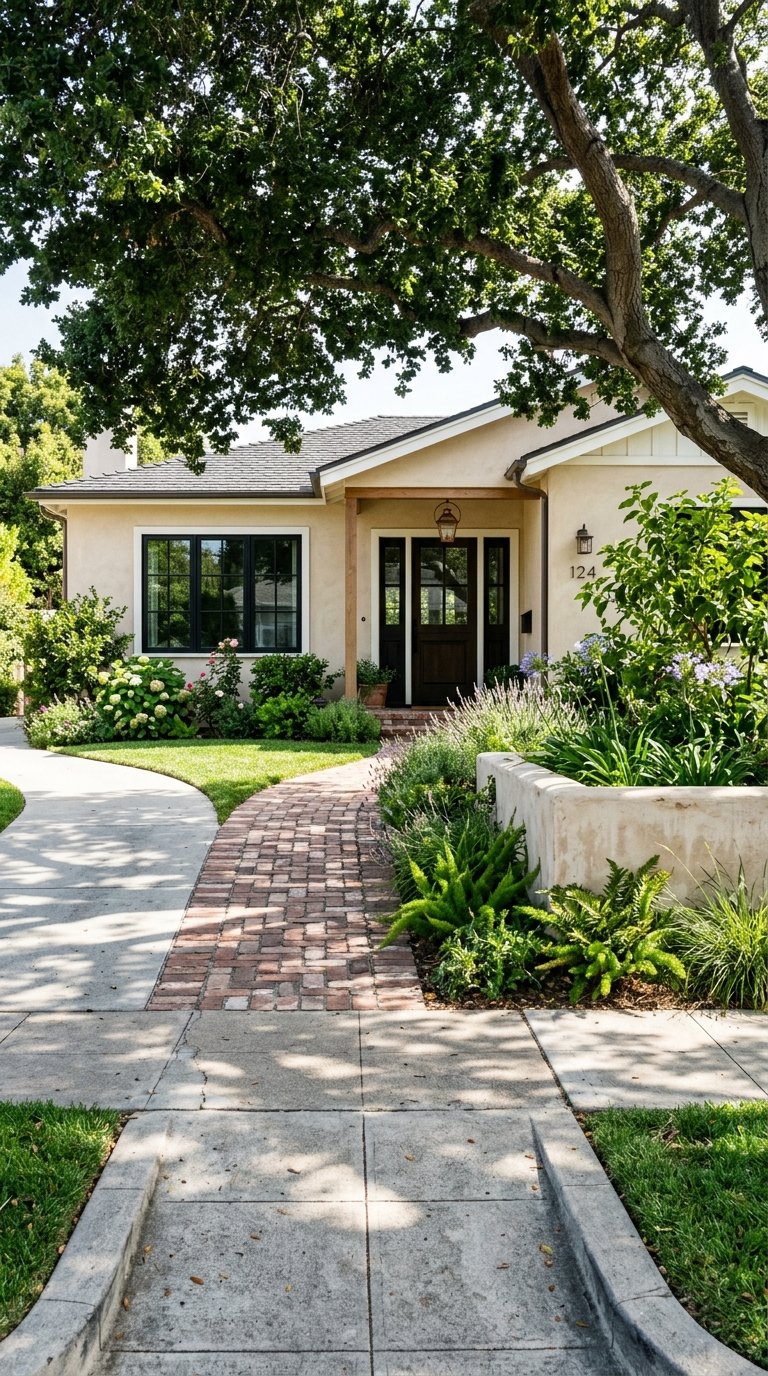
Palma Ceia attracts buyers who want established South Tampa living with strong curb appeal and architectural variety. The neighborhood is known for brick roads, mature tree canopy, and homes that range from older bungalows and cottages to more updated traditional residences.
That variety can be a major advantage if you want character without being limited to one narrow architectural type. It can also mean you need to look carefully at how much of a home’s original charm remains and how much has already been altered over time.
In practical terms, Palma Ceia often offers a broader mix of homes and settings. If your priority is finding a house with personality in a highly regarded South Tampa location, it can deliver that in several different ways.
Architectural Details to Notice
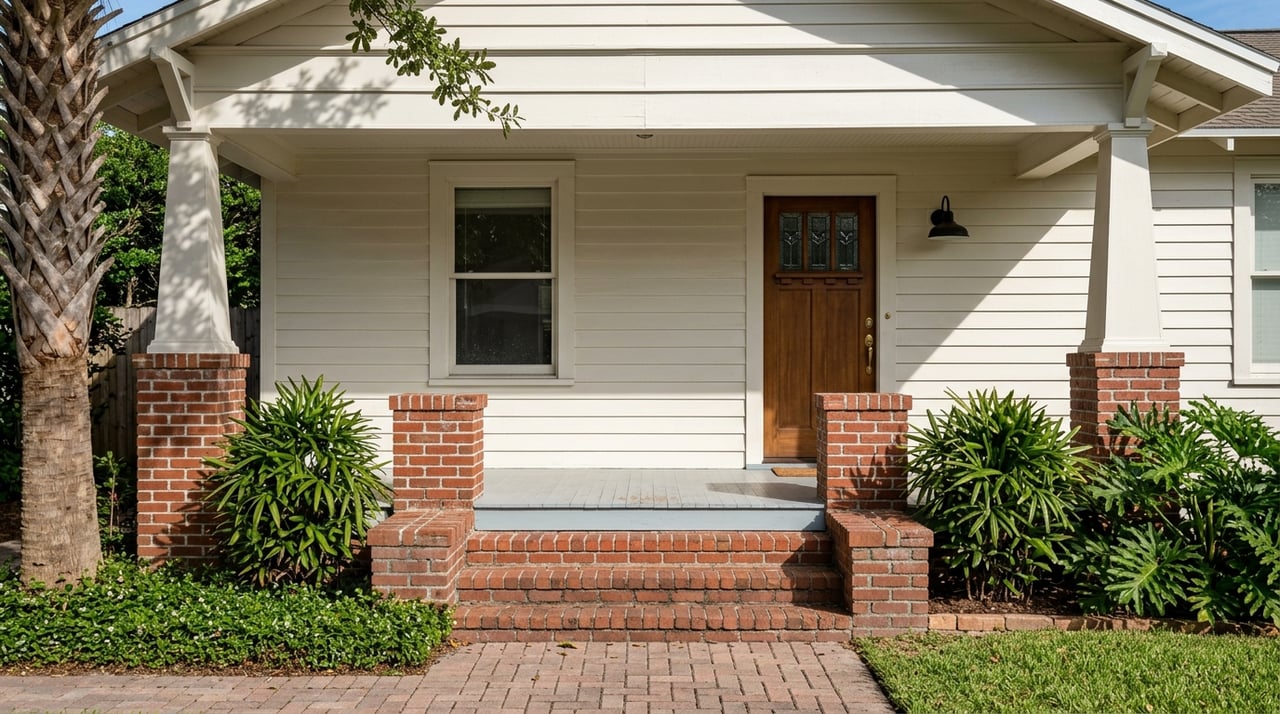
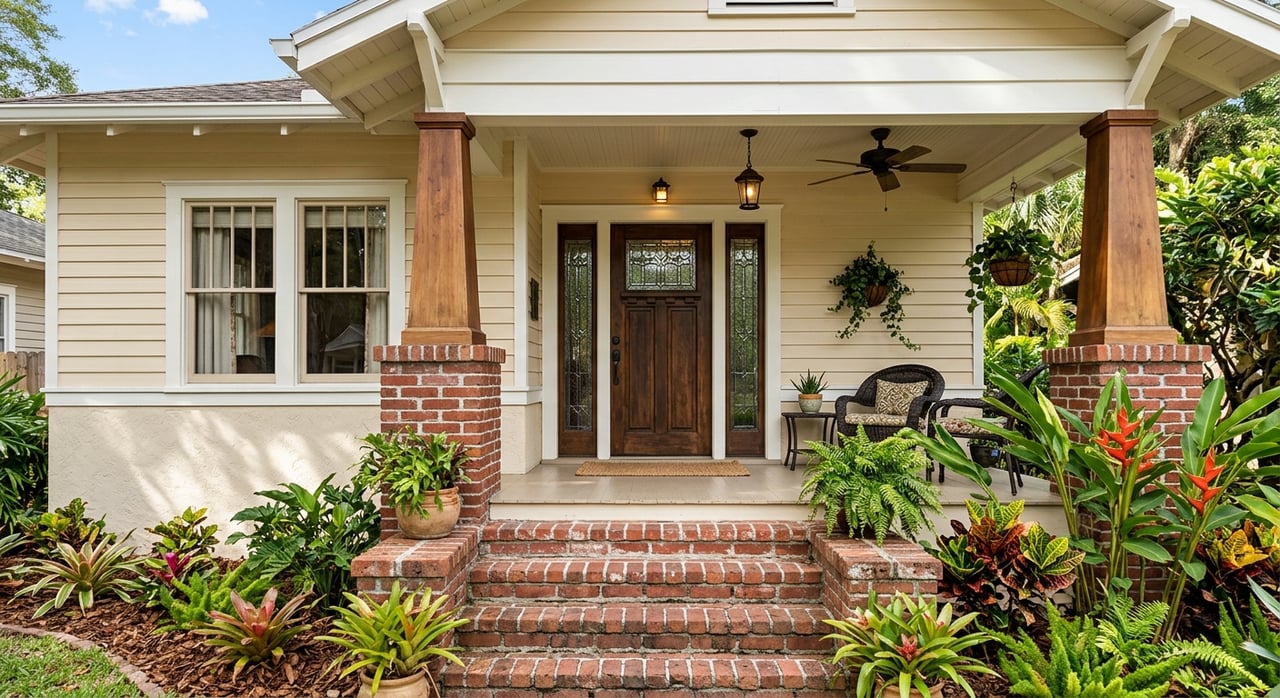
Character is usually built from original proportions, materials, and craftsmanship, not just the age of the home. In both neighborhoods, the features that tend to matter most are the same ones buyers often notice first.
Look closely at items like:
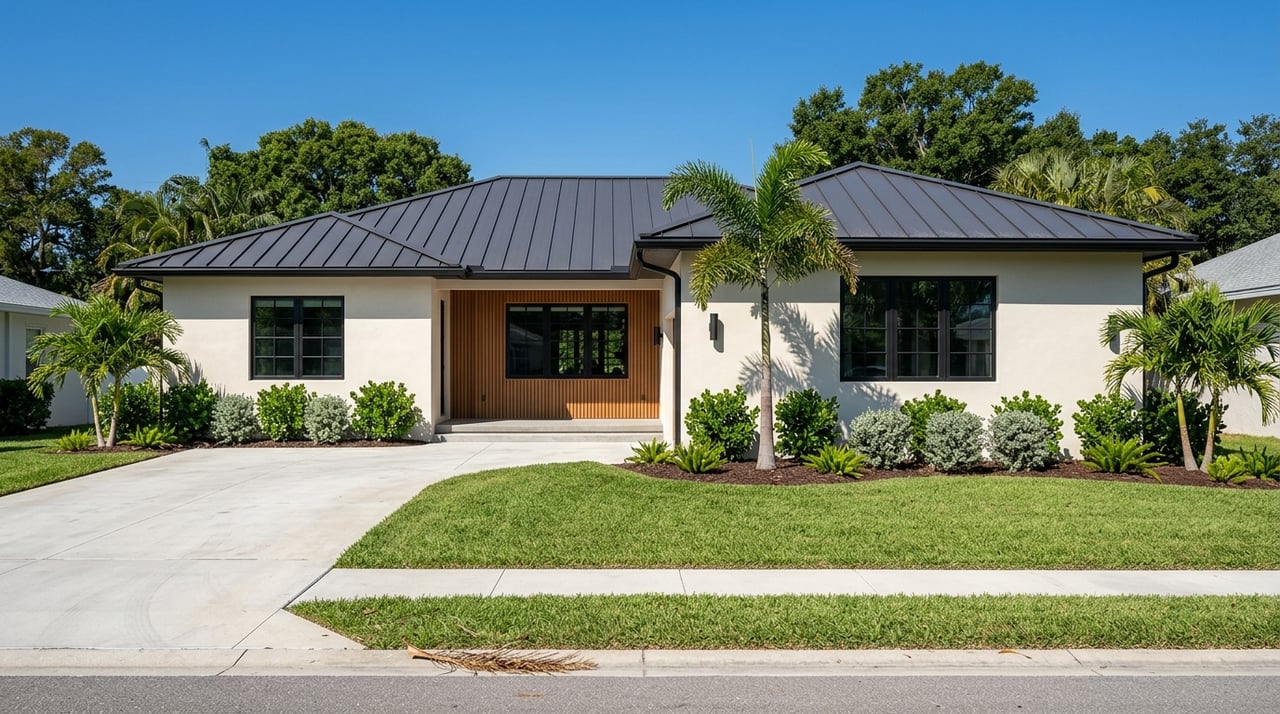
- Roof forms and materials
- Window patterns and original window units
- Porch projections and entrance details
- Exterior trim and craftsmanship
- Façade proportions
- Original wall materials such as wood siding, brick, or stucco
In Hyde Park, the City of Tampa identifies a wide range of styles, including Queen Anne, Tudor Revival, Neo-Classical and Colonial Revival, French Second Empire, Mediterranean Revival, Craftsman and Bungalow, Prairie, and vernacular or eclectic homes.
Those styles bring different defining features. You may see asymmetrical massing, varied rooflines, turrets, half-timbering, stucco and tile, wide eaves, exposed beams, porches, and horizontal window bands depending on the house.
The city also notes that wood siding and brick are dominant wall materials in Hyde Park, with stucco mainly associated with Mediterranean Revival buildings. That is a useful clue during showings because exterior materials that feel out of place may signal later changes that affect the home’s historic look.
Renovating a Character Home
If you plan to update a home after purchase, Hyde Park requires extra attention. The City of Tampa says exterior work may trigger historic review, and requests for Architectural Review Commission approval require a Certificate of Appropriateness.
Applications for new construction, additions, and exterior repairs can be submitted online through the city. Some projects may be handled by staff, while others require a public hearing review.
The city’s guidance emphasizes compatibility over imitation. In other words, new work should fit the historic surroundings without trying to create a false copy of the old.
That approach affects material choices. The city says artificial siding may be considered only with approval, and imitation brick or imitation stone is not appropriate. It also says screen enclosures must be compatible with the primary structure.
Roofs and Windows Matter More Than You Think
When buyers picture a character home, they often focus on charm. In reality, roofs and windows can have a major impact on both long-term maintenance and historical integrity.
The National Park Service advises protecting and maintaining roof systems by cleaning gutters and downspouts, repairing flashing, and keeping historic roof forms intact. Changing a roof configuration can reduce the property’s historic character, so any planned roof work deserves careful review.
Windows deserve the same level of attention. NPS guidance notes that historic windows can often perform well for decades with regular maintenance, and that repair typically should come before replacement.
That does not mean every old window must stay untouched forever. It does mean you should ask whether original units remain, whether they were repaired or replaced, and whether documentation exists for past work.
Tampa Due Diligence Before You Close
Beyond architecture and style, a Tampa buyer should also focus on local risk and records. This is especially important when you are considering an older home.
The City of Tampa says you should check both flood zones and evacuation zones because they measure different risks. The city also notes that every property is in a flood zone, even if it is not in an evacuation zone.
If a property is in a FEMA Special Flood Hazard Area, the city says an elevation certificate is needed for a construction permit application. The city also states that if improvements or repairs exceed 50% of the home’s value in an A or V zone, the home may need to be brought up to current code standards, including elevation above base flood elevation.
That can affect renovation plans and budget. If you are buying a home with future updates in mind, this is worth investigating early.
Before closing, you can also verify property details through the Hillsborough County Property Appraiser and review construction activity through the City of Tampa permit portal. The permit portal includes residential permits for items like roofs, fences, pools, and remodeling.
What to Check During a Showing
A character home showing should go beyond finishes and staging. You want to understand what is original, what has been changed, and whether the visible updates support or weaken the home’s long-term appeal.
Use this checklist as you walk through:
- Check whether original windows, doors, porches, and rooflines are still intact
- Look at exterior materials and whether they fit the home’s style
- Watch for signs of water-management issues around roofs, gutters, flashing, and window frames
- Ask whether additions or exterior changes were permitted
- In Hyde Park, ask whether exterior changes received historic approval
These details can tell you a lot about how the home has been cared for. They can also help you avoid surprises after closing.
Smart Questions to Ask the Seller
The right questions can save time and reveal useful context. When you tour a home in Palma Ceia or Hyde Park, consider asking:
- Has any exterior work been approved through the city’s historic-review process?
- Were the windows repaired, restored, or replaced?
- Are original window units still documented?
- What roof material is on the house now, and when was it last repaired or replaced?
- Are there any planned changes that would require a Certificate of Appropriateness or a city permit?
- If the property is in a flood-prone area, is an elevation certificate already on file?
You do not need every answer on the spot, but you should know which questions matter. A well-informed purchase starts with careful, local due diligence.
Which Neighborhood Fits You Best?
If you want the clearest historic-district framework, Hyde Park may be the stronger fit. Its appeal is closely tied to the city’s preservation structure, its historic homes, and the visual consistency of the neighborhood fabric.
If you want an equally established South Tampa setting with a wider mix of home types, Palma Ceia may offer more flexibility. Its appeal comes from brick roads, mature trees, and a broad housing mix that still feels rooted in place.
In both neighborhoods, the long-term value of a character home is often tied to preserving what makes it feel authentic. Rooflines, windows, porches, materials, and scale all play a role in whether a home keeps its original presence over time.
Buying a character home in South Tampa can be incredibly rewarding when you pair emotion with research. If you want local guidance on Palma Ceia, Hyde Park, or other central Tampa neighborhoods, The Fate Team offers boutique buyer representation with the neighborhood expertise and attentive support that help you move forward with clarity.
FAQs
What makes a home in Hyde Park a character home?
- In Hyde Park, character often comes from historic architecture, original proportions, traditional materials, rooflines, windows, porches, and how the home fits the surrounding streetscape.
What makes a home in Palma Ceia a character home?
- In Palma Ceia, character often comes from the overall setting, including brick roads, mature oaks, established blocks, and a mix of older and updated homes with distinct curb appeal.
Do Hyde Park homes require historic approval for renovations?
- Some exterior work in Hyde Park may require review by the City of Tampa and a Certificate of Appropriateness, depending on the scope of the project.
What should buyers look for in older South Tampa homes?
- Buyers should look at original windows, doors, porches, rooflines, exterior materials, signs of water intrusion, and whether prior work was properly permitted.
Why do flood zones matter when buying in Tampa?
- Flood zones can affect permit requirements, future renovation plans, and whether an elevation certificate may be needed for construction-related work.
How can buyers verify permits on a Tampa home?
- Buyers can review construction activity through the City of Tampa permit portal and confirm property details through the Hillsborough County Property Appraiser.
Is Palma Ceia or Hyde Park better for buyers seeking historic charm?
- Hyde Park typically offers a clearer historic-district setting, while Palma Ceia offers established South Tampa charm with a broader mix of home styles and streetscapes.