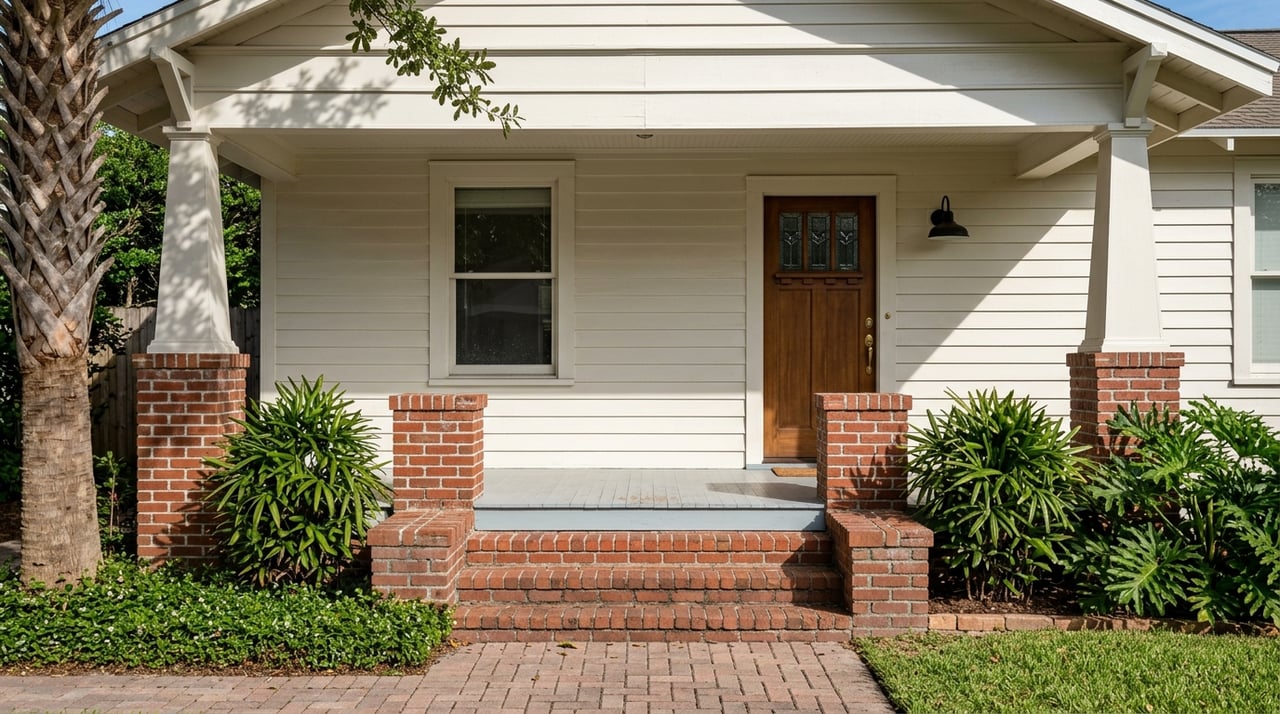
Wondering how to sell a historic home in Hyde Park without losing time, money, or peace of mind? If you own one of these character-filled properties, you already know the process is different from selling a newer home. With the right plan, you can protect what makes your home special, avoid preventable issues, and bring it to market with confidence. Let’s dive in.
Why Hyde Park homes stand out
Hyde Park is Tampa’s oldest existing neighborhood, just west of downtown across the Hillsborough River. According to the City of Tampa, the area is known for historic homes, extensive renovation over time, and the distinct Florida architectural style of the 1920s and 1930s.
Its location also adds to buyer interest. Proximity to Old Hyde Park Village and Bayshore Boulevard helps make the neighborhood especially appealing to buyers who value both character and convenience.
For sellers, that means your home may already have a strong story to tell. The goal is to present that story clearly, while making sure your property is market-ready and compliant with local requirements.
Start by verifying historic district status
One of the most important first steps is confirming whether your property is inside the updated Hyde Park local historic district. The district expanded north on January 5, 2023, adding 184 buildings, so some owners may now be subject to district rules even if they were not before.
If you are unsure, do not guess based on appearance or neighborhood assumptions. The City of Tampa says district maps are helpful, but they are not the only guide, and homeowners should contact Architectural Review and Historic Preservation staff if there is any doubt.
This step matters because district status can affect what exterior work may need review before listing. It can also shape how you plan repairs, touch-ups, and pre-sale improvements.
Know what repairs may need review
If your home is in the district, some exterior work may require a certificate of appropriateness before the work begins. The City of Tampa says new construction, additions, and exterior repairs may need review, with some applications handled by staff and others requiring a public hearing.
Applications can be submitted online through the city’s Accela system. Even if your project seems small, it is smart to check first, especially when your timeline depends on getting the home ready for market.
This is one area where confidence comes from preparation. Clearing up review questions before work starts can help you avoid delays, added costs, or last-minute listing setbacks.
Exterior details matter in Hyde Park
The Hyde Park Design Guidelines place special emphasis on preserving key exterior features. That includes materials, trim and detail, facade proportions, window patterns, entrances, porch projections, roof forms, roof materials, and paint or stain choices.
The guidance also addresses site elements like fences, walls, screen enclosures, and street lights. For contributing buildings, artificial siding is discouraged.
In practical terms, that means even modest updates should be evaluated through a preservation-minded lens. A quick exterior refresh can still be helpful, but it should support the home’s architecture rather than work against it.
Focus on preservation-minded pre-list updates
When you prepare a historic Hyde Park home for sale, bigger is not always better. In many cases, the strongest strategy is thoughtful repair, not a generic renovation.
The city’s design guidance favors maintaining original materials and repairing or replacing with duplicate materials where possible. It specifically supports maintaining and repairing original siding materials, which makes details like paint condition, visible woodwork, windows, porch elements, and roof condition especially important before launch.
That approach can help your home show better to buyers while respecting the features that give it value and identity. It also helps create a more consistent story between the home’s architecture, its condition, and its asking price.
Smart areas to review before listing
Before your home goes live, it helps to take a close look at the exterior elements buyers notice first. In Hyde Park, those details often shape first impressions quickly.
Consider reviewing:
- Roof condition
- Paint integrity
- Porch details and railings
- Window condition and patterns
- Visible trim and woodwork
- Exterior materials that may not match the original style
- Fences, walls, or enclosures that affect curb appeal
A careful review does not mean every item needs replacement. It means you should understand what is in good shape, what needs attention, and what should be checked with the city before changes are made.
Handle lead disclosures correctly
If your home was built before 1978, lead-based paint rules are an essential part of the selling process. Federal law requires sellers to disclose known lead-based paint hazards before a buyer signs a contract.
Sellers must also provide the EPA pamphlet, share any available records or reports, include the required lead warning statement in the contract, and allow a 10-day inspection period. If painted surfaces will be disturbed during pre-list work, EPA guidance says firms performing renovation, repair, and painting in pre-1978 homes must be certified and use lead-safe work practices.
This is one of those details that is easy to overlook if you are focused on presentation. Taking care of it early helps keep your transaction smoother and better organized.
Use staging to highlight historic character
Historic homes sell best when buyers can quickly understand what makes them special. In Hyde Park, staging should support that goal, not cover it up.
According to the National Association of Realtors 2025 Profile of Home Staging, 83% of buyers’ agents said staging made it easier for a buyer to visualize a property as their future home. More than a quarter of real estate professionals said staging a seller’s home increased the dollar value offered by 1% to 10%, and about half of seller’s agents said staged homes sold faster.
For a historic property, that does not mean over-designing every room. It means creating a clean, polished presentation that lets original details, room flow, and architectural charm come through clearly.
What to emphasize in a Hyde Park listing
In a neighborhood known for period architecture, buyers often respond to the features that feel authentic and well-preserved. Your staging plan and listing presentation should make those features easy to notice.
That may include:
- Front porch presence
- Original trim and millwork
- Window patterns and natural light
- Room-to-room flow
- Distinctive entrances
- Historic materials and finishes that remain in good condition
When these details are visible and thoughtfully presented, buyers can better appreciate both the home’s personality and the care that has gone into maintaining it.
Invest in strong photography and visual marketing
Photos are one of the most important parts of your listing strategy. In the National Association of Realtors 2025 home-buyer survey, 83% of internet-using buyers rated photos as very useful, ahead of floor plans at 57%, virtual tours at 41%, and videos at 29%.
For a Hyde Park historic home, that means your visual package should do more than document the property. It should tell a clear story about scale, condition, architecture, and livability.
That story often starts at the curb. Crisp exterior photos, strong porch angles, detailed shots of trim and windows, and well-composed interior images can help buyers understand the home before they ever step inside.
Price with discipline, not guesswork
Hyde Park shows signs of healthy demand, but that does not mean every home can be priced aggressively without consequence. Current data point to an active market, while also showing that pricing and presentation still matter.
Redfin reported a median sale price of $562,291 over the three months ending April 2026, with 11 homes sold in April and a median 13 days on market. Realtor.com’s April 2026 summary showed a median listing price of $627,000, 58 homes for sale, a median 68 days on market, a 95% sale-to-list ratio, and a seller’s-market label.
These reports use different time windows and metrics, so they are not directly comparable. Still, they lead to the same practical takeaway: buyers value Hyde Park, but they still pay close attention to condition, presentation, and price.
What this means for your asking price
A historic home should not be priced as if charm alone will carry the sale. Buyers may pay for character, but they also compare updates, maintenance, layout, and overall presentation.
That is especially true in a neighborhood where some homes have been intensively renovated. A realistic list price, paired with a clear explanation of what has been preserved and what has been updated, can create stronger interest and better positioning from day one.
Build confidence with a clear selling process
Selling a historic home in Hyde Park is not about rushing through a checklist. It is about making good decisions in the right order.
A confident process usually looks like this:
- Verify whether the home is inside the updated local historic district.
- Confirm whether planned exterior work needs review or a certificate of appropriateness.
- Prioritize preservation-minded repairs over broad, style-neutral renovations.
- Address lead disclosure requirements if the home was built before 1978.
- Use staging and photography to highlight period character and livability.
- Set a price that reflects the home’s condition, presentation, and current market realities.
When you take this approach, your listing is more likely to feel polished, credible, and ready for serious buyers. That is what creates real confidence.
Selling a historic Hyde Park home takes more than a sign in the yard. It takes local knowledge, careful preparation, and a marketing strategy that respects the home’s character while positioning it for today’s buyers. If you are thinking about your next move, The Fate Team can help you prepare, present, and market your home with the boutique guidance and polished listing strategy central Tampa sellers expect.
FAQs
What makes selling a historic home in Hyde Park different?
- Selling a historic home in Hyde Park can involve local historic district rules, preservation-minded repair decisions, possible certificate-of-appropriateness review for exterior work, and a marketing approach that highlights original architectural details.
How do I check if my Hyde Park home is in the historic district?
- The City of Tampa says district maps can help, but they are not the only guide, so homeowners should contact Architectural Review and Historic Preservation staff if they are unsure whether a property is within the updated district boundary.
Do exterior repairs on a Hyde Park historic home need approval?
- Some exterior repairs, additions, and new construction may require a certificate of appropriateness, with some applications handled by staff and others requiring a public hearing through the City of Tampa’s review process.
Should I renovate or repair before selling a Hyde Park historic home?
- In many cases, a preservation-minded repair strategy is the better path because local design guidance favors maintaining original materials and using duplicate materials where possible rather than making generic exterior changes.
What should I disclose when selling a pre-1978 Hyde Park home?
- If the home was built before 1978, federal law requires sellers to disclose known lead-based paint hazards, provide the EPA pamphlet, share available records and reports, include the required warning statement in the contract, and allow a 10-day inspection period.
How should I stage a historic home in Hyde Park for sale?
- Staging should make the home’s character easy to understand by highlighting details like the front porch, trim, windows, room flow, and other period features instead of hiding them.
How long does it take to sell a home in Hyde Park?
- Recent April 2026 market snapshots vary by source, with Redfin reporting a median 13 days on market and Realtor.com reporting a median 68 days on market, which suggests timing depends heavily on pricing, condition, and presentation.