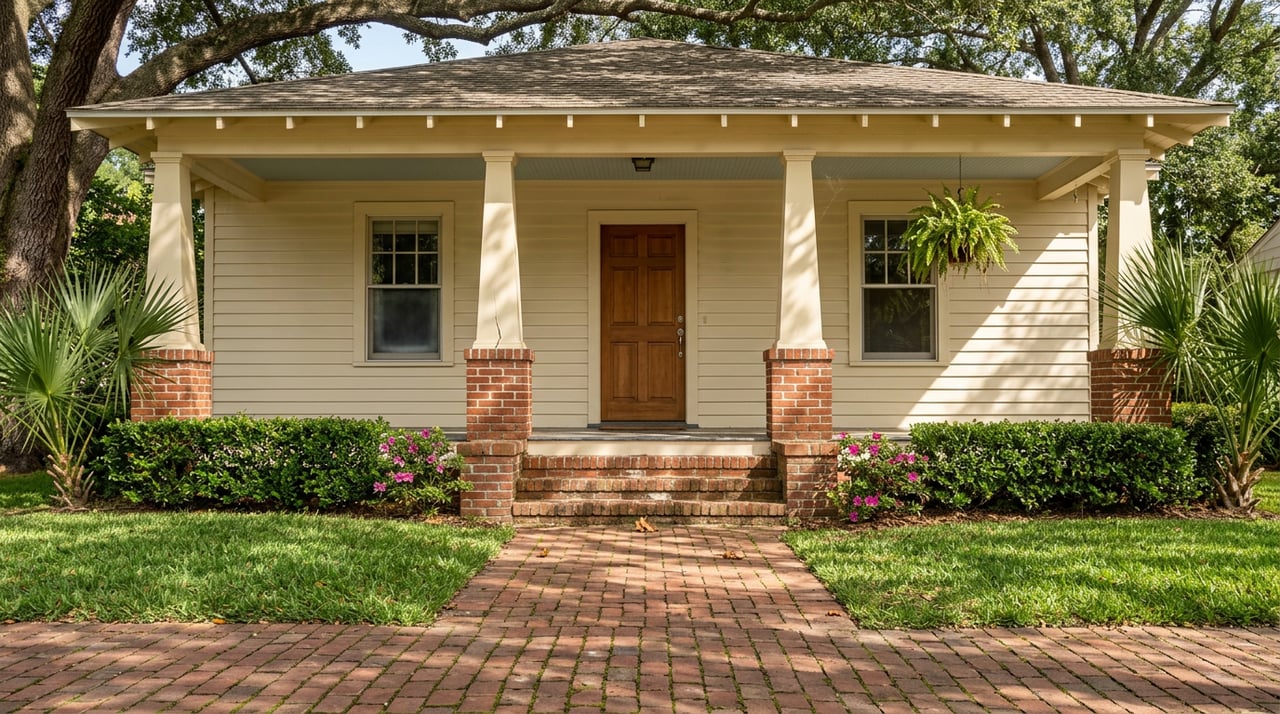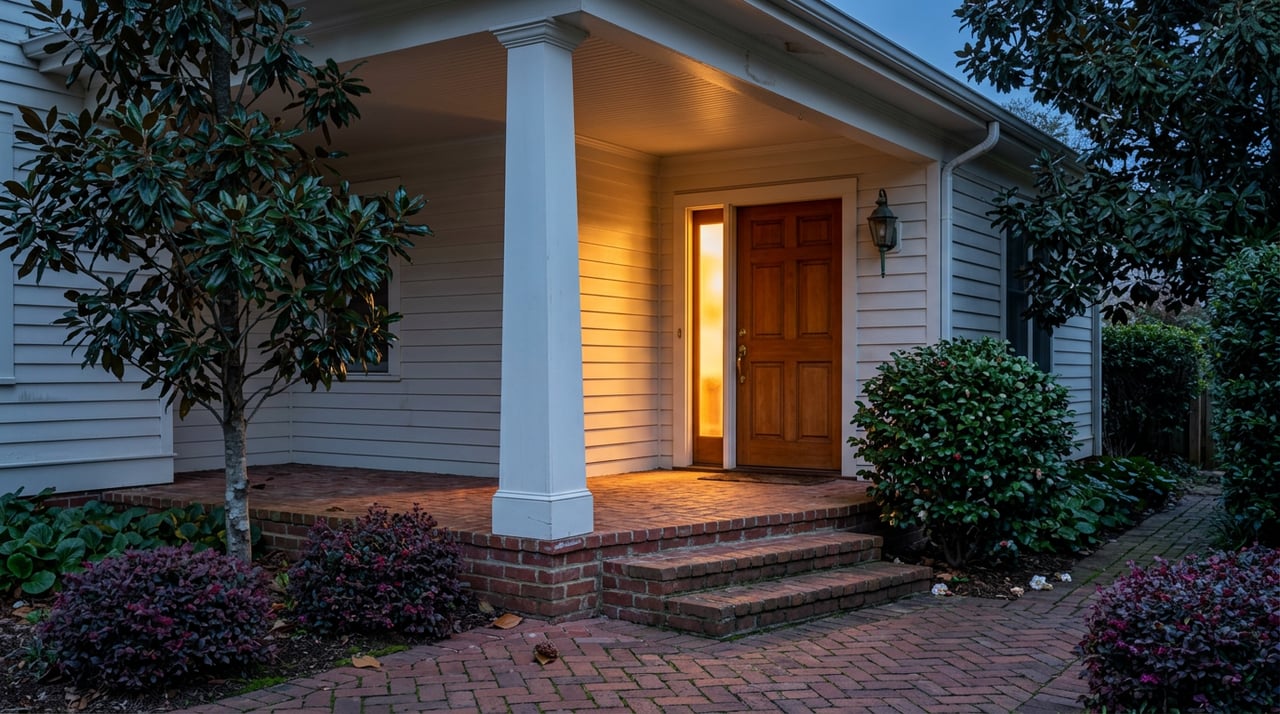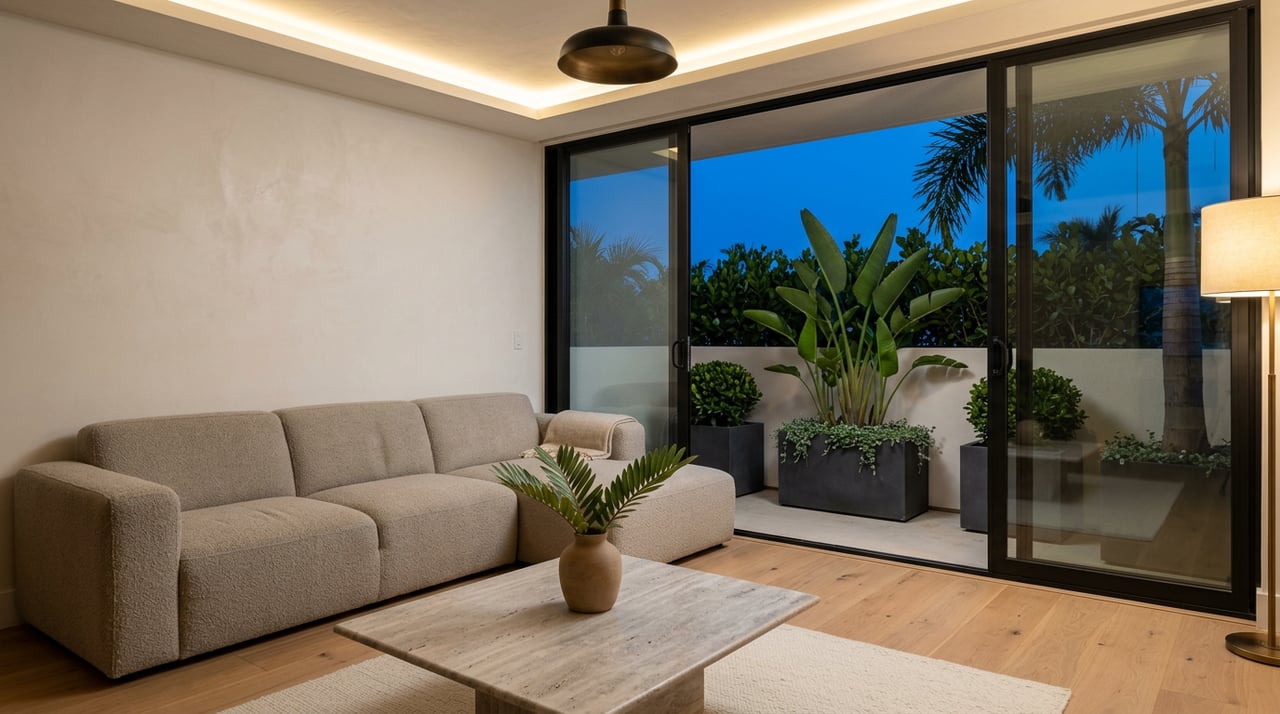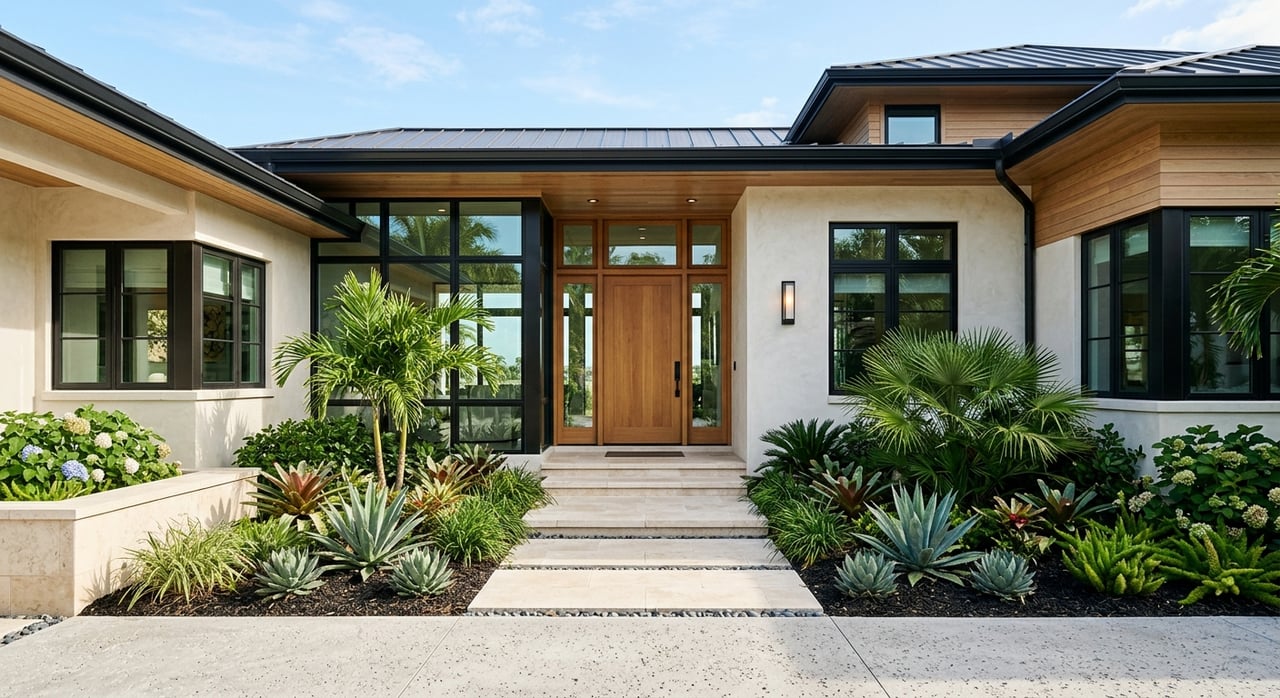
Wondering why one Davis Islands home can command a dramatically higher price than another with a similar square footage? In this micro-market, buyers are not just comparing bedrooms and baths. They are weighing water exposure, view corridors, boating access, elevation, condition, and even how well a home tells its value story. If you are preparing to sell, understanding those layers can help you avoid overpricing, underpricing, or missing the buyers most likely to pay a premium. Let’s dive in.
Davis Islands pricing is highly segmented
Davis Islands is one of Tampa’s most distinctive luxury neighborhoods, with a compact island setting, a village center, parks, water views, and a mix of residential and retail uses in a pedestrian-friendly environment. The area is also closely associated with waterfront living, boating access, preserved Mediterranean Revival character, and a strong neighborhood identity tied to public water views.
That setting creates a luxury market with real price separation. As of spring 2026, Realtor.com reported a median listing price of $2.39 million, 89 active listings, a median 78 days on market, and a 94% sale-to-list ratio in May 2026. Redfin showed a median sale price of $1.81 million over the three months ending May 2026 and 112 average days on market, while Zillow’s home value index was $1.44 million as of May 31, 2026.
Those figures are useful, but they are not interchangeable. Listing price, sale price, and home value index each measure something different, which is why a smart pricing strategy starts with the right slice of the market, not a broad average.
Why broad averages can mislead sellers
A bayfront estate, a canal-front home with dock access, a renovated historic cottage, a newer elevated build, and a condo are not direct substitutes. Davis Islands has recent activity that ranges from homes below $1 million to sales in the $3 million to $5 million range, along with trophy listings reaching well above that.
If you price a waterfront home using inland comps, you may leave money on the table. If you price a dated or storm-impacted property like a turnkey elevated build, you may lose early momentum and spend months chasing the market.
Waterfront and views drive the biggest premiums
In Davis Islands, water exposure is often the clearest pricing differentiator. Recent listings and sales point to a value hierarchy where unobstructed bay frontage and stronger boating access generally command more than inland sites, partial-water settings, or properties with less functional dock access.
For example, a new-construction home at 577 Riviera Drive was asking $6.2 million with open-bay views and first-level water orientation. A home at 804 S Davis Boulevard sold for $3.03 million with full bay and harbor views, while 96 Adalia Avenue sold for $4.7 million with 100 feet of saltwater canal frontage, a dock with electricity, and a boat lift.
View corridor matters as much as frontage
Not all waterfront is equal. Open-bay exposure, broad harbor views, and a more dramatic sightline can outperform a property that technically has water access but a narrower or less impressive view corridor.
That is why two homes with similar interior size can be priced millions apart. On Davis Islands, buyers often pay for the combination of lot position, visual impact, and boating utility, not just the address.
Boating access adds another layer
Dockability matters in this niche. A property with a dock, boat lift, and practical water access may appeal to a different buyer pool than a home with a water view but fewer boating advantages.
The local amenity picture supports that premium. Marjorie Park Yacht Basin has 32 monthly slips and a waiting list, which reinforces that boating access is limited enough to influence value.
Condition shapes how buyers calculate value
In a luxury neighborhood, condition is never just about finishes. Buyers on Davis Islands are also paying attention to whether a home is truly move-in ready, whether it reflects newer construction standards, and whether deferred repairs or storm-related work could affect the real cost of ownership.
That can create a wide spread in pricing outcomes. Some homes are marketed as polished, elevated, newer-code residences, while others are valued more like renovation opportunities or land plays with an existing structure.
Newer construction can justify a premium
The 2019-built home at 804 S Davis Boulevard emphasized elevated living, impact-rated windows and doors, and newer-code construction. The home at 577 Riviera Drive promoted FEMA Class 4 to 5 flood-resistant construction.
Features like these can support stronger pricing because they speak to both lifestyle and durability. In a market where buyers are comparing risk as well as luxury, resilience details can become part of the premium story.
Storm history and repair burden affect price
A seller also needs to be realistic about homes that need post-storm work or major updates. At 96 Adalia Avenue, the home was marketed as elevated and storm-affected, with the interior staying dry but the pool and deck needing work after Hurricane Helene.
That kind of distinction matters. Buyers may assign one value to the structure, another to the site, and another to the cost and hassle of repairs, which can pull pricing away from more turnkey comparables.
Elevation, seawalls, and flood resilience matter
On Davis Islands, resilience is part of valuation. The City of Tampa’s 2025 Vulnerability Assessment states that roadway elevations on Davis Islands range from 4 to 7 feet, places the area in a fully impacted coastal-surge scenario, and notes significant flooding during Hurricane Helene.
The same report says 5 feet is the recommended seawall elevation under the Tampa Bay Regional Planning Council model ordinance. That does not mean every property carries the same exposure, but it does mean buyers are likely to look closely at elevation, seawall condition, drainage, and storm-hardening features.
Price for your actual risk profile
A seller should not assume the market will treat every waterfront home the same. If your home has an updated seawall, favorable elevation characteristics, impact-rated openings, or elevated living space, those details may support a stronger pricing position when compared with homes lacking those features.
On the other hand, if a buyer sees likely seawall work, drainage concerns, or unresolved storm-related issues, that can narrow your buyer pool or increase negotiation pressure. Pricing should reflect that reality from day one.
Historic character can help, but verify the facts
Davis Islands has strong architectural identity. City history describes it as one of Tampa’s notable 1920s subdivisions, and the neighborhood plan notes that Mediterranean Revival architecture is preserved as part of the islands’ heritage.
For the right buyer, that character can absolutely strengthen appeal. A well-kept historic-style or architecturally distinctive home may stand apart from more generic inventory, especially when the design fits the neighborhood setting.
Historic value is property-specific
This is where precision matters. Tampa’s preservation office says changes within local historic districts, multiple-property groupings, and local landmarks may require review for architectural appropriateness and a certificate of appropriateness for exterior work. At the same time, Davis Islands is not listed among the city’s current local historic districts on the district-map page cited in the research.
So a seller should verify the designation of the individual home before making assumptions. Historic character may add value, but renovation flexibility or review requirements can vary by property.
Square footage alone will not set the price
Many sellers start by looking at price per square foot. On Davis Islands, that can be a useful reference point, but it is rarely the deciding factor for luxury homes.
A premium lot with open-bay views, meaningful frontage, and strong outdoor living can outperform a larger inland home. Likewise, a property with a superior site but outdated interiors may still attract land-driven pricing if buyers see the lot as the main asset.
When a home becomes a land-value sale
A property starts to lean toward land value when the site is exceptional but the structure is dated, storm-affected, functionally obsolete, or less competitive than the new construction around it. In that case, buyers may focus less on finishes and more on frontage, orientation, parcel scale, and redevelopment potential.
The upper end of the market shows how heavily site quality can influence price. A waterfront estate at 52 Ladoga Avenue was listed at $21.999 million in April 2026, underscoring how lot position and scale can outweigh basic interior comparisons.
Pricing discipline protects your launch
Davis Islands is a prestigious market, but prestige does not erase negotiation. Realtor.com’s 94% sale-to-list ratio and 78-day median days on market suggest that buyers are still price-sensitive and expect the asking price to be supported by the home’s specific strengths.
Individual sales tell the same story. 804 S Davis Boulevard sold 22% below list after 293 days on market, while 96 Adalia Avenue sold 5% below list after 129 days.
Overpricing can cost you more later
Luxury buyers watch the market closely. If a property launches too high without a clear reason, it can lose urgency, invite low offers, and spend extra time on the market.
In many cases, the best result comes from a price that is ambitious but still credible. That means your list price should match the home’s mix of location, view, frontage, condition, resilience, and presentation, not just your target number.
Timing helps, but readiness matters more
Seasonality can support stronger pricing. Florida Realtors reported that Tampa sellers who list in the spring window can see prices roughly 5% to 6% higher than at the start of the year, or about $20,000 to $25,000 more.
But that is a metro-wide pattern, not a guaranteed rule for every Davis Islands property. In this neighborhood, launch readiness often matters more than the calendar.
What launch readiness looks like
For a luxury home, pricing works best when it is paired with complete preparation. That may include:
- Finished repairs and maintenance items
- Clear documentation around storm history or improvements
- Strong photography and polished presentation
- A marketing package that explains the site advantage
- A comp strategy built around true property peers
Davis Islands pricing is often as much about site storytelling as square footage. Listing language across current and recent homes repeatedly emphasizes open-bay views, no-bridge boating access, elevated construction, named architects, and resort-style outdoor spaces. Sellers who present those advantages clearly are often better positioned for top-of-market outcomes.
If you are considering a sale on Davis Islands, a tailored pricing plan can make the difference between testing the market and leading it. For a valuation strategy built around your home’s exact site, condition, and presentation, connect with The Fate Team.
FAQs
Why can two similarly sized Davis Islands homes have very different prices?
- On Davis Islands, pricing often depends more on water frontage, view corridor, boating access, lot position, condition, elevation, and resilience features than square footage alone.
What matters most for Davis Islands luxury home pricing?
- The biggest drivers are usually site quality, water exposure, views, dock access, condition, and how well the property compares to similar homes in the same niche segment.
How should a Davis Islands seller think about flood risk when setting price?
- You should account for elevation, seawall condition, drainage, storm-hardening features, and any repair history because buyers in this market often evaluate resilience as part of overall value.
Does historic character add value to a Davis Islands home?
- It can add appeal and help a home stand out, especially when the architecture fits the neighborhood, but any historic designation or renovation review requirements should be verified for the individual property.
Is spring always the best time to list a luxury home on Davis Islands?
- Spring can support stronger pricing in the broader Tampa market, but on Davis Islands your results also depend heavily on readiness, presentation, documentation, and a pricing strategy matched to your specific property.