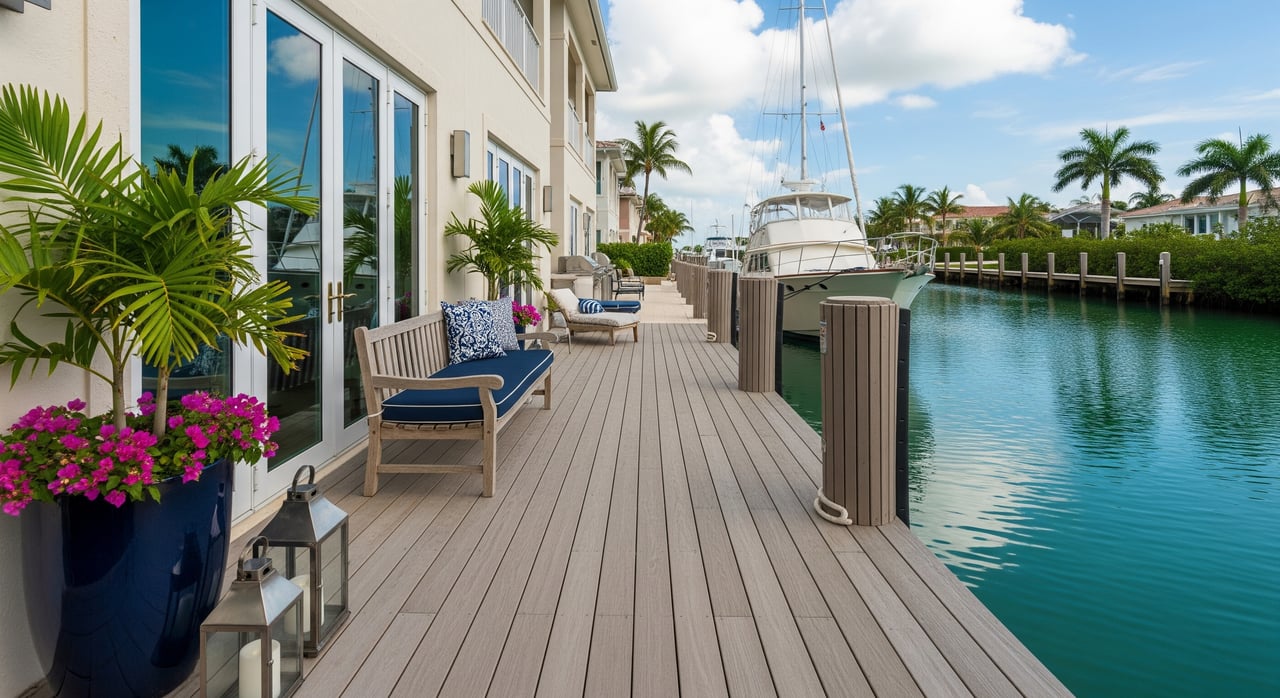
Want a quieter waterfront home base with downtown Tampa right next door? If you love walkable streets, skyline views, and hotel-style amenities without the upkeep of a single-family home, Harbour Island may be exactly what you’re looking for. You get easy access to the Riverwalk, marinas, major venues, and medical centers, all from a compact island community designed for low-maintenance living.
In this guide, you’ll learn what daily life feels like on Harbour Island, how the marina and Riverwalk shape the lifestyle, what to expect from condo towers and HOAs, and how to evaluate a unit with confidence. Let’s dive in.
Why Harbour Island works for your lifestyle
Harbour Island is a small, man-made island directly adjacent to downtown Tampa and the Channelside/Water Street corridor. It offers a residential feel with condo towers, townhomes, and marinas, while keeping you minutes from the city’s business district, major events, and waterfront parks. The result is an urban-waterfront blend that appeals to empty nesters and professionals who want convenience without chaos.
Because the island is largely built out with residential buildings, on-island retail is limited. Most residents consider downtown, the Channel District, and Water Street their go-to spots for groceries, specialty fitness, and dining. The upside is a calmer environment at home with a short walk or quick drive to almost everything else.
Walkability and Riverwalk access
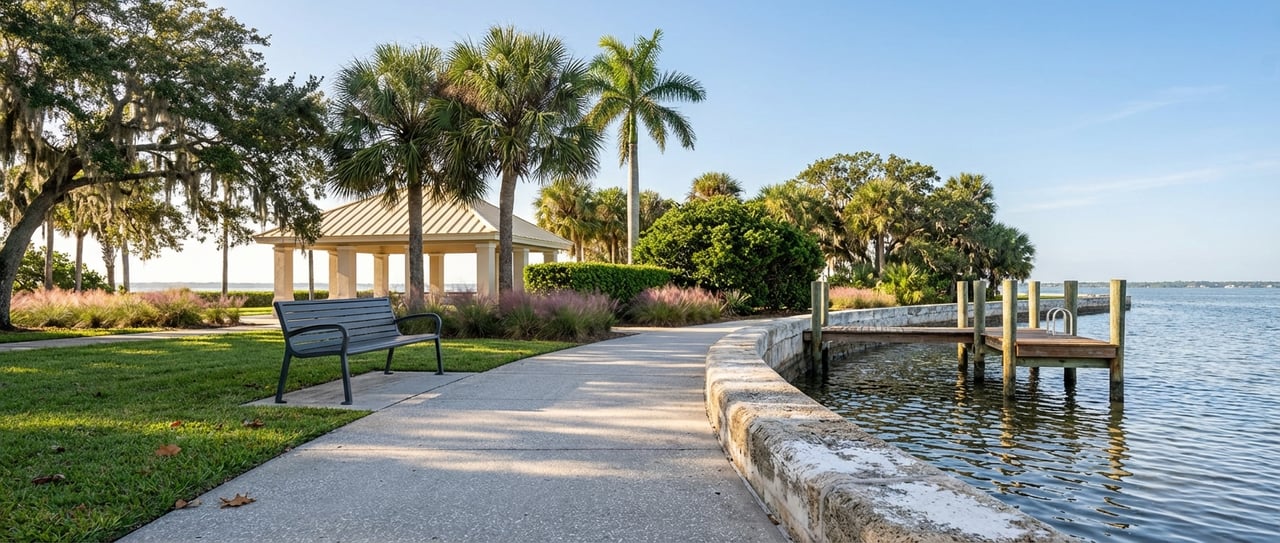
Harbour Island’s compact layout makes everyday strolls simple. Many buildings sit steps from waterfront promenades and marinas, and you can connect into the Tampa Riverwalk network to reach parks, museums, and restaurants along the water. Walking or biking to downtown destinations is both practical and pleasant, especially in cooler months.
If you prefer not to drive, you can explore downtown transit options that connect the central city. Local bus service and the TECO Line streetcar cover parts of the broader downtown and Channelside areas. Routes and frequencies change, so check current schedules when planning a transit-first routine.
Waterfront and marina living
For boaters, the island’s marina culture is a major draw. Some condo communities offer private or reserved slips. Others may provide leased slips or a waitlist, and slip sizes vary. If a dedicated slip matters to you, verify whether it is deeded, leased, or transferable before you make an offer. Availability can be limited and policies differ by building.
Living on the water also means understanding flood zones, storm surge risk, and seawall conditions. Many buildings incorporate flood mitigation and follow coastal standards. You should review FEMA flood maps, building disclosures, and insurance requirements for any property you consider. These details help you balance the rewards of waterfront living with smart long-term planning.
Condo amenities and building services
Many Harbour Island towers deliver a full-service experience. Common amenities include:
- 24/7 concierge or door staff
- Secured and covered parking, often with assigned spaces or valet
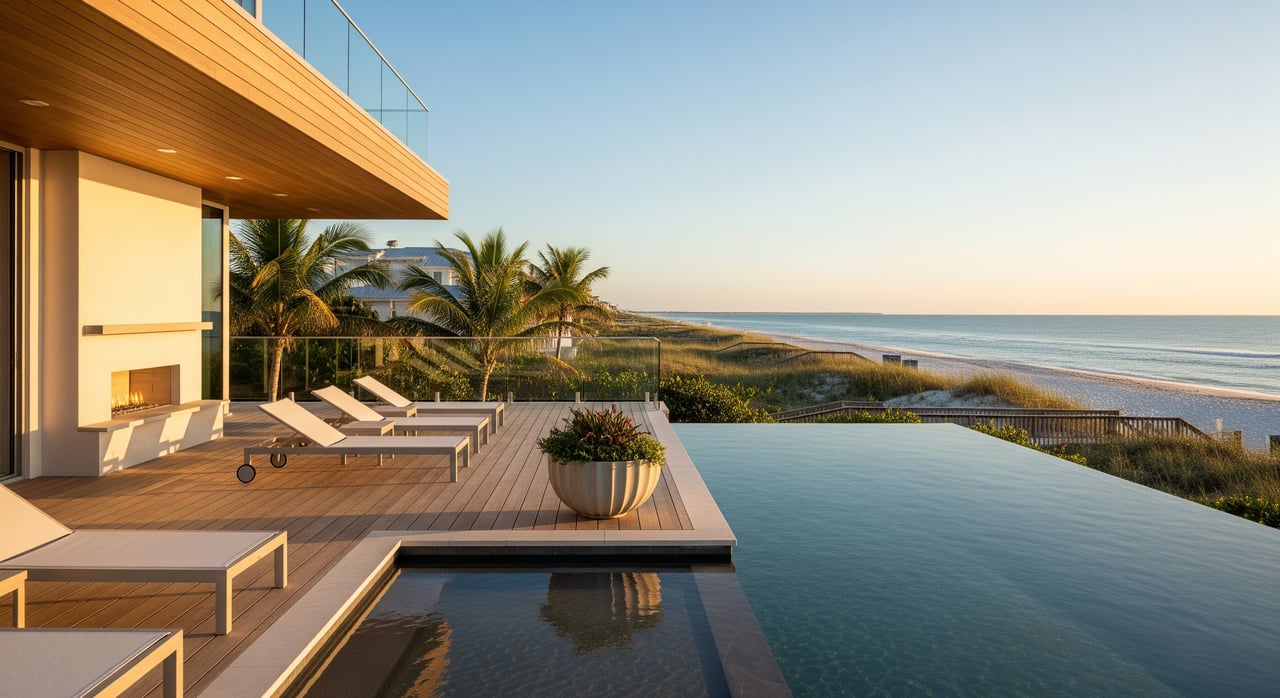
- Fitness centers, pools, spa or sauna, and group wellness rooms
- Clubrooms, business centers, package rooms, and guest suites
- On-site management and controlled access for enhanced security
If you are downsizing, this can be a stress reducer. Exterior maintenance, landscaping, common area upkeep, and building security are typically handled by the association and staff, which helps you spend less time managing a property and more time enjoying the waterfront.
Daily life: dining, fitness, and conveniences
On the island, you’ll find a handful of restaurants and bars, most with a waterfront vibe. For a bigger selection, you’ll likely walk or bike to the Water Street and Channelside districts or make a short drive into downtown. That is where you’ll find most grocery options, boutique fitness studios, and cultural venues.
Fitness is easy to personalize here. Many towers have well-equipped gyms and pools. The Riverwalk offers a scenic setting for running, biking, or outdoor workouts. If you prefer specialized classes like spin, barre, or pilates, you can choose from multiple studios in nearby downtown hubs.
Medical access is a practical benefit for many residents. Downtown Tampa hosts major facilities, including Tampa General Hospital and outpatient centers, which are close enough for routine appointments and specialty care.
Insurance, flood, and hurricanes
Coastal condos face unique insurance considerations. Waterfront buildings often carry higher master policy costs due to wind and flood exposure. Your HOA fees typically cover common area maintenance and building insurance, but you should confirm exactly what the master policy includes and what your individual policy needs to cover.
Also review wind mitigation features, such as hurricane shutters or impact glass. Ask about building hurricane procedures, generator availability, shutter deployment plans, and emergency communications. Being prepared helps you feel confident during storm season.
Getting around: driving and transit
Driving from Harbour Island to downtown employment centers and regional highways is quick. Most buildings offer assigned covered parking, and valet is common in higher-end towers. If you plan to rely on public transit or rideshare, factor in nearby bus and streetcar connections, along with seasonal water transit that may operate in Channelside or the bay during peak periods.
What to look for in a unit
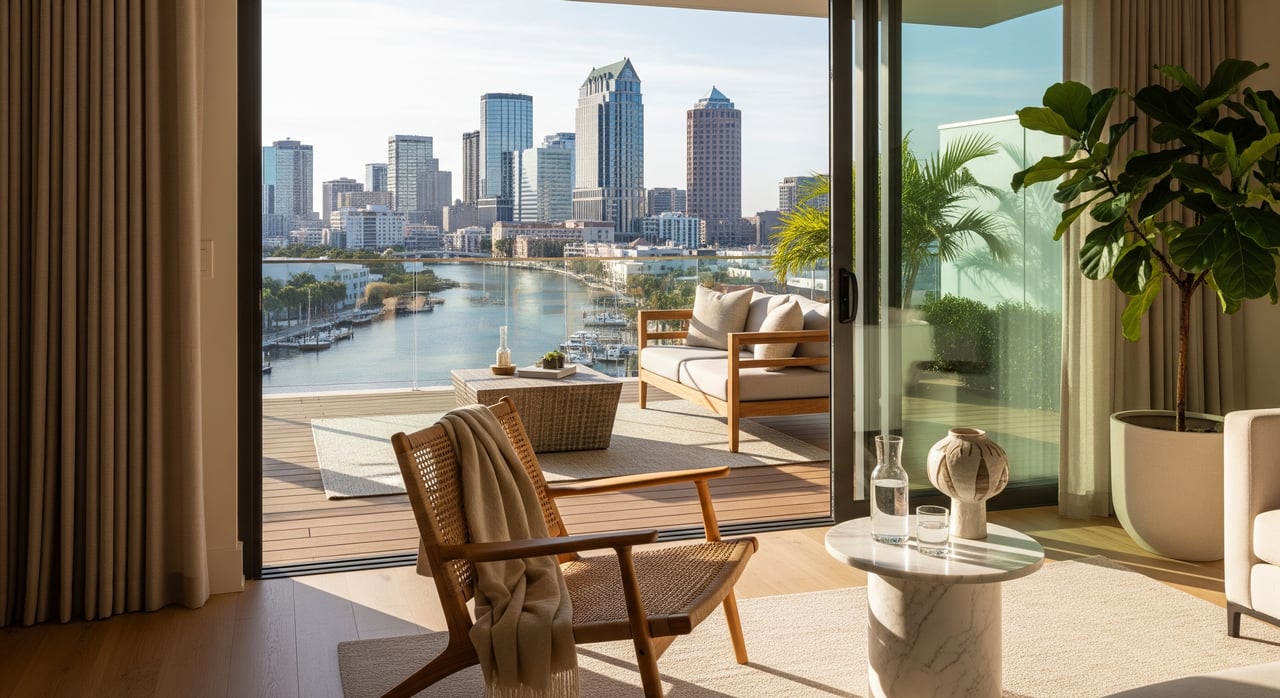
Floor plans range from efficient one-bedroom condos to large penthouses with expansive water views. Many buyers prioritize balconies and direct water or skyline vistas because they support lifestyle and resale value. When evaluating a unit, consider:
- Views and orientation: water, skyline, sunrise, or sunset
- Floor height: street and event noise on lower floors versus wind exposure on higher floors
- Storage and layout: closet space, home office options, and guest accommodations
- Parking: number of assigned spaces, EV readiness, and guest parking rules
- Maintenance responsibilities: what the HOA covers versus in-unit systems you maintain
Pros and tradeoffs to weigh
Advantages:
- Low-maintenance condo living with concierge, security, and resort-style amenities
- Walkable waterfront lifestyle with quick access to downtown culture, dining, and medical centers
- Marina access and water recreation without long bay crossings
Tradeoffs:
- Higher HOAs and insurance costs than inland condos
- Limited on-island retail and groceries, so short trips off the island are common
- Potential noise from nearby events or weekend activity depending on unit location
- Limited land supply can mean fewer on-island resale options at any given time
Buyer checklist for Harbour Island
Use this checklist to streamline your due diligence:
- Confirm flood zone and elevation; review FEMA flood map data and request current flood insurance details for the property.
- Request condo resale documents: HOA budget, reserve study, insurance certificates, board meeting minutes, and any special assessment or litigation disclosures.
- Verify parking allocations, guest parking rules, and valet policies; confirm any EV charging options.
- If boating matters, confirm slip availability, cost, size limits, and whether slips are deeded or leased. Ask about transfer rules and waitlists.
- Review pet guidelines, rental policies, and short-term rental restrictions based on your goals.
- Visit at different times of day and week to evaluate traffic, event noise, and walkability.
- Map your routine to nearby groceries, pharmacies, fitness, and medical services to ensure daily convenience.
Is Harbour Island the right fit?
If you want a polished, low-maintenance home base near the best of downtown Tampa, Harbour Island stands out. You can enjoy waterfront walks, quick nights out, and the ease of condo services while keeping daily errands and appointments close. The keys to a great purchase are understanding HOA health, insurance, flood considerations, and the specifics of your building’s amenities and marina access.
When you are ready to explore available condos or compare buildings, reach out to the local experts at Fate Team for tailored guidance and a smooth, strategic purchase experience.
FAQs
Is Harbour Island walkable to downtown Tampa and the Riverwalk?
- Yes. The island connects directly into the Tampa Riverwalk network, making it practical to walk or bike to downtown parks, restaurants, cultural venues, and events.
Are there grocery stores on Harbour Island, or will I need to go off-island?
- On-island retail is limited. Most residents shop for groceries and essentials in nearby downtown, Water Street, or the Channel District, which are a short walk or quick drive away.
Do Harbour Island condos include boat slips or marina access?
- Some buildings offer private, reserved, or leased slips, while others rely on nearby marinas. Always confirm slip availability, cost, size limits, and transfer rules with the association or marina.
How do HOA fees work for waterfront condo towers on Harbour Island?
- HOAs typically cover common area maintenance, security, amenities, and the building’s master insurance policy. Review the current budget, reserves, and insurance certificates for exact coverage and dues.
What should I know about flood insurance and hurricanes for Harbour Island condos?
- Waterfront properties often lie in special flood hazard areas and may require flood insurance. Review FEMA flood maps, building mitigation features, and the association’s hurricane procedures before buying.
What fitness and wellness options are common in Harbour Island buildings?
- Many towers include fitness centers, pools, and wellness spaces. Outdoor exercise along the Riverwalk is popular, and specialized studios nearby offer classes like pilates, barre, and spin.
How can I evaluate noise and activity levels from downtown events?
- Visit the property at different times, including evenings and weekends. Ask the association about event schedules, typical noise patterns, and any building-specific sound attenuation features.