Craving Riverwalk convenience but also want your own garage? Choosing between a condo and a townhome in Downtown Tampa can shape your monthly costs, daily routine, and long-term peace of mind. If you love walkability and low-maintenance living, a condo may fit. If you want more space and predictable parking, a townhome could be the better match. This guide breaks down ownership, costs, lifestyle trade-offs, and due diligence steps tailored to ZIP 33602 so you can move forward with clarity. Let’s dive in.
Quick definitions in Florida
What you own in a condo
In a Florida condominium, you own your individual unit and a shared interest in common areas like hallways, amenities, and building structure. A condo association governs operations under the Florida Condominium Act. For full context, review the Florida Legislature statutes site and search Chapter 718 for condominium law. Your association typically carries a master insurance policy for the building’s common elements, while you carry an HO-6 policy for your interiors and personal property.
What you own in a townhome
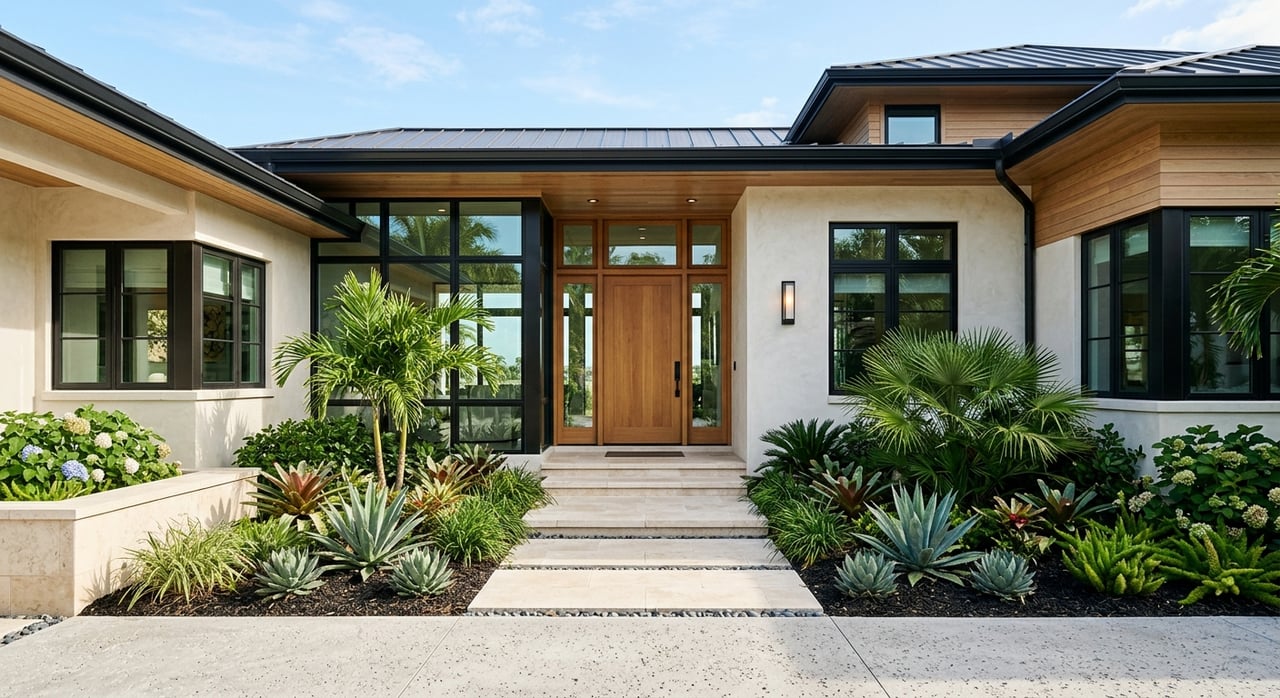
A townhome is often fee-simple ownership of both the structure and the land beneath it, usually within a homeowners association. HOA responsibilities vary by community rules under Florida’s Chapter 720. You will often be responsible for exterior items like the roof and siding unless the HOA documents say otherwise. Monthly HOA fees are generally lower when there are fewer shared amenities and services.
Money: monthly costs in 33602
HOA and condo fees
In Downtown Tampa’s high-rise towers, especially around Water Street and Channelside, condo fees are commonly higher because they fund amenities like fitness centers, pools, security, building insurance, and on-site staff. Townhome fees near downtown are often lower on average since there are fewer shared services, though gated or amenity-rich communities can be higher. The only reliable number is the fee for a specific property, so verify the current association budget and any recent or pending assessments.
Reserves and special assessments
Healthy associations plan ahead for big-ticket items like roofs, elevators, and façade work. If reserves are underfunded, special assessments can hit owners unexpectedly. Post-2021 building safety scrutiny has increased, especially for older mid- and high-rises. Always request the latest budget, reserve study, audited financials, meeting minutes, and a record of past or planned special assessments before you commit.
Insurance and flood
Condo associations usually insure the building’s common elements, while you carry an HO-6 policy for interior finishes, personal property, and loss assessments as applicable. Townhome owners often insure the entire structure plus contents, unless the HOA covers some exterior items. Flood exposure matters in 33602 because parts of downtown are low-lying and near the bay. Use the FEMA Flood Map Service Center to confirm a home’s flood zone and ask for an elevation certificate when applicable. In Florida, pay close attention to wind and hurricane deductibles since they can materially affect your total annual housing cost.
Financing factors
Condos sometimes require lender project approval. Lenders may review owner-occupancy ratios, reserves, litigation, and building condition. Some low down-payment or government-backed loans can be tougher to place in certain condo projects. Fee-simple townhomes are typically easier to finance, since they are often treated like single-family homes, but you should confirm property type and HOA structure with your lender early.
Taxes and closing fees
Property taxes are set by Hillsborough County and the City of Tampa and apply to both condos and townhomes based on assessed value. For current parcel and assessment data, check the Hillsborough County Property Appraiser. Expect standard Florida closing costs and note that some associations charge move-in, move-out, or registration fees.
Lifestyle trade-offs
Maintenance and control
If you prefer to lock the door and go, a condo’s association-managed exterior and amenities can be a strong fit. You will trade some control over exterior alterations and rely on association responsiveness. Townhomes provide more privacy, direct entrances, and often more interior space, but you may be responsible for the roof, exterior, and hardscape unless your HOA covers those items.
Amenities and services
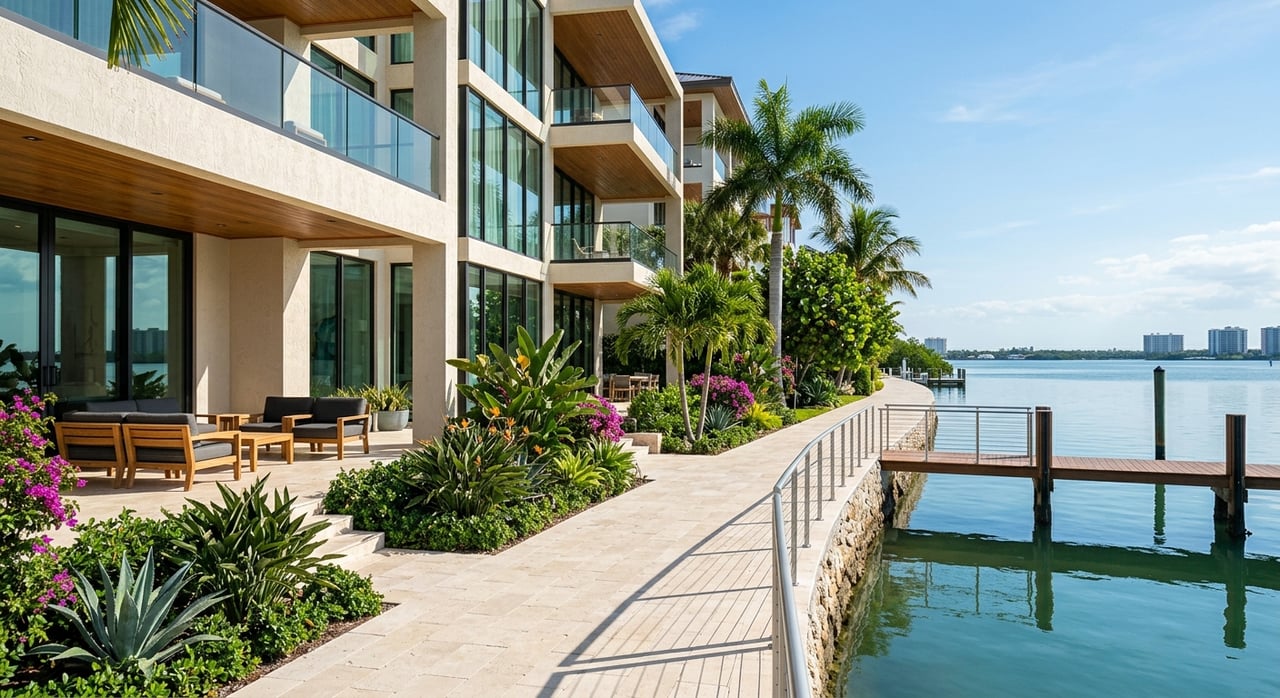
High-rise condos in Water Street and Channelside often include premium gyms, pools, lounges, and staffed security or concierge services. That convenience supports an urban lifestyle and helps justify higher dues. Townhome communities typically offer fewer shared amenities but deliver more living space and can feel more like single-family living with a private footprint.
Parking realities downtown
Parking can be the biggest quality-of-life difference. Condo parking varies widely by building and can be deeded, assigned, valet, or an additional monthly fee. Guest policies and waitlists can apply. Townhomes commonly include an attached garage or driveway, which is ideal for multi-car households. If you plan to rely on street parking or permits, check the City of Tampa for parking programs and enforcement details.
Walkability and transit
ZIP 33602 is among Tampa’s most walkable areas with quick access to the Riverwalk, dining, entertainment, and events. Water Street Tampa is designed for pedestrian-friendly living with integrated residential, retail, and public spaces. Explore the development vision at Water Street Tampa to see how amenities are concentrated. For transit options, review HART routes for the TECO Line Streetcar and bus connections. Car ownership is still common in Tampa, but many residents enjoy leaving the car parked for weekday errands.
Neighborhood snapshots in 33602
Water Street Tampa
This large mixed-use transformation next to the waterfront brings new residential towers, retail, restaurants, and public spaces together in a walkable district. Newer high-rise condos here are amenity-rich and typically come with higher association fees that fund on-site staffing and services. If you value convenience and building services, put Water Street at the top of your list.
Channelside
Channelside blends older condos and newer buildings with entertainment venues and proximity to Amalie Arena and the cruise terminals. You will find a range of buildings and parking setups. Make sure to verify whether spaces are deeded, assigned, or leased, and confirm how guest parking works for your building.
Nearby alternatives
If you want more space or a private garage without living in a tower, explore downtown-adjacent neighborhoods like Tampa Heights or Hyde Park. Each area offers different trade-offs in walkability, parking, commute, and housing stock. A townhome slightly outside the core can deliver multi-bedroom layouts and garages at similar or lower monthly costs than high-amenity towers.
Risk and building safety
Flood and hurricane exposure
Downtown’s proximity to the bay means flood risk varies property by property. Confirm a home’s flood zone and elevation through the FEMA Flood Map Service Center and ask for building flood mitigation details like raised utilities or seawalls where applicable. Review wind coverage and hurricane deductibles with your insurance broker since they can significantly affect your premiums and reserves.
Structural inspections and reserves
After 2021, there is heightened focus on structural integrity for mid- and high-rise buildings across Florida. Ask for recent inspection and engineer reports, plus association plans for any concrete restoration or façade work. Reserves matter. Strong reserve funding reduces the likelihood of large special assessments and makes it easier to finance and insure your unit.
How to choose your best fit
- Choose a condo if you want an amenity-rich, low-maintenance lifestyle, staffed security or concierge, and easy access to dining and events. Expect higher monthly dues that fund common services.
- Choose a townhome if you want more square footage, a private entrance, and predictable parking in a garage or driveway. Plan for more responsibility for exterior upkeep unless the HOA covers it.
- For multi-car households, a townhome often provides better parking convenience. For lock-and-leave living and on-site services, a condo shines.
- Compare total monthly cost across both options. Include mortgage, HOA or condo fees, homeowner or HO-6 insurance, flood insurance, wind deductibles, taxes, and any known or likely assessments.
Due diligence checklist
Association financial and legal
- Latest annual budget and current monthly assessments.
- Most recent reserve study and current reserve balance.
- Audited financials for the past 2 to 3 years.
- Board meeting minutes for the past 12 to 24 months.
- Declaration, bylaws, and rules, including rental, pet, and EV charging policies.
- Insurance certificate and master policy summary, including deductibles and whether coverage is all-in or bare walls.
- Any pending litigation or insurance claims.
- Owner-occupancy vs. investor ratio and any rental caps.
Property specifics
- Deeded or assigned parking documentation and any applicable fees.
- Recent estoppel letter showing dues, assessments, and fines.
- Building inspection or engineer reports and any required recertifications.
- Flood zone determination and elevation certificate where applicable.
- Planned construction projects and potential noise or access impacts.
Financing and insurance
- Ask your lender about project eligibility, especially for condos.
- Get quotes for HO-6 or homeowner policies and flood insurance with wind deductibles noted.
- Confirm whether the building is acceptable to your lender’s underwriting.
Lifestyle operations
- How utilities are billed and what is included in your monthly dues.
- Guest parking policies and enforcement.
- Move-in and move-out rules and fees.
- Renovation approval process and timelines.
- On-site management availability and responsiveness.
For statutory context, you can review the Florida Legislature statutes site and search Chapter 718 for condominiums and Chapter 720 for HOAs. For parcel data and assessed values, visit the Hillsborough County Property Appraiser. For local parking programs, check the City of Tampa. To explore the Water Street district vision, see Water Street Tampa. For transit routes, consult HART. For flood zone lookups, use the FEMA Flood Map Service Center.
Next steps with a local guide
Your best fit comes down to lifestyle, parking needs, and the true monthly cost. If you want walkable, amenity-rich living with minimal upkeep, a condo in Water Street or Channelside may feel perfect. If you prefer extra space and a private garage while staying near downtown, a townhome slightly outside the core could be the smarter pick.
If you would like a short list of buildings or townhome communities that match your budget and lifestyle, we are here to help. Connect with the Fate Team for boutique, data-backed guidance on condos and townhomes across 33602 and nearby neighborhoods.
FAQs
What is the legal difference between condos and townhomes in Florida?
- Condos are governed by the Florida Condominium Act under Chapter 718, while most townhome communities with HOAs follow Chapter 720; responsibilities and maintenance items depend on the recorded documents.
How do condo fees compare to townhome HOA fees in 33602?
- High-rise condos near Water Street and Channelside often have higher dues due to amenities and staffing, while many townhome communities have lower fees because they share fewer services.
Are condos harder to finance than townhomes in Downtown Tampa?
- Sometimes; many lenders require condo project reviews that look at reserves, occupancy, and litigation, while fee-simple townhomes are often treated like single-family homes.
Do I need flood insurance for a home in 33602?
- If a property is in a FEMA special flood hazard area and you have a mortgage, lenders typically require flood insurance; always confirm a property’s flood zone and elevation.
How does parking usually work for downtown condos vs. townhomes?
- Condos may offer deeded or assigned spaces, valet, or paid garage parking, while townhomes often include a private driveway or attached garage that simplifies multi-car living.