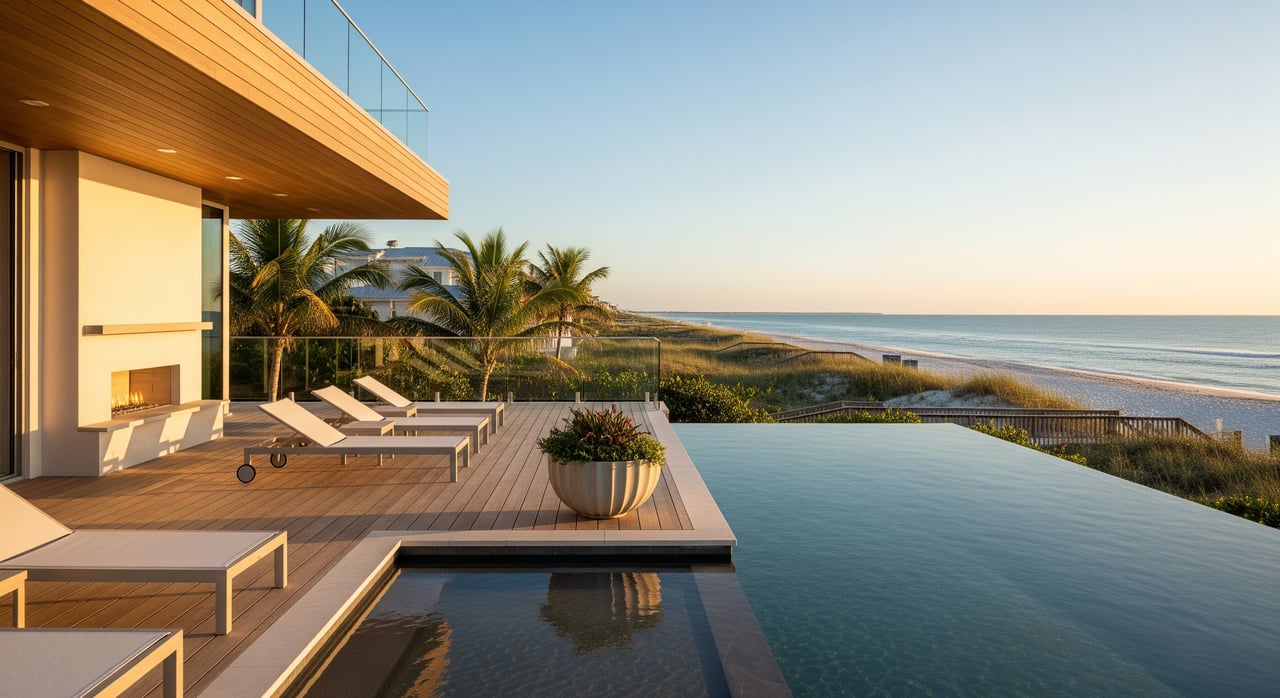
Thinking about trading traffic for tides and building your everyday routine around the beach? Tampa Bay’s coastal communities offer beautiful Gulf views, easy access to the water, and a range of neighborhood vibes. You also have daily-life questions to solve, like where you’ll shop, how you’ll commute, and what ownership looks like near the shoreline. This guide gives you a clear, local overview so you can compare lifestyles, housing types, and trade-offs with confidence. Let’s dive in.
Where Tampa’s coastal beaches begin
When locals say “the beaches,” they usually mean the Gulf-facing barrier islands in Pinellas County. From north to south, that includes Clearwater Beach and Sand Key, Belleair Beach, Indian Rocks Beach and Indian Shores, the Redington communities, Madeira Beach and John’s Pass, Treasure Island and Sunset Beach, St. Pete Beach and Pass-a-Grille, and the Fort De Soto and Tierra Verde area. These neighborhoods sit on barrier islands and low-lying coastal land.
Elevation and FEMA flood zones vary block by block. That means two properties on the same street can have different flood risk and insurance needs. You will also see a mix of resort-oriented areas, quieter residential pockets, and older beach towns with an “Old Florida” feel. Getting familiar with the map and the pace of each town helps you choose a daily rhythm that matches your goals.
Compare beach neighborhoods
Clearwater Beach and Sand Key
Clearwater Beach is lively, walkable, and filled with restaurants and activities near Pier 60. You can expect nightly sunset celebrations and a visitor-friendly scene most of the year. Housing leans toward high-rise and luxury condos, with some cottages set back from the sand.
For everyday living, you get strong pedestrian access, waterfront amenities, and quick access to services on the mainland. You will also navigate seasonal crowds, paid parking areas, and busy weekends. Sand Key offers a slightly calmer feel with similar condo-focused housing and Gulf views.
Indian Rocks, Indian Shores, and the Redingtons
These smaller towns deliver a more residential pace. You will find smaller condo buildings and older single-family homes on narrower lots, along with many long-term residents. The vibe is quieter than the busier tourist hubs to the north and south.
For day-to-day needs, you can enjoy simple beach access and a relaxed routine. Fewer large hotels means less overflow, though services and shopping may require short mainland trips. If you want beach living with fewer big crowds, this stretch is worth a close look.
Madeira Beach and John’s Pass
Madeira Beach blends boating culture with a busy waterfront village. John’s Pass has shops, restaurants, fishing charters, and marina services, which creates an energetic feel. Housing ranges from condos and townhomes to renovated cottages.
Everyday life here is ideal if you love being on the water. Expect more boat traffic and higher seasonal activity near John’s Pass, along with convenient access to marina amenities. If marine lifestyle tops your list, you will find it here.
Treasure Island and Sunset Beach
Treasure Island features broad beaches and a mix of condo corridors and quieter residential pockets. Sunset Beach at the southern end has a smaller, laid-back feel. Older single-family homes sit on narrow lots, with mid- and low-rise condos closer to the water.
Many buyers consider Treasure Island a good balance of value and access compared to prime Clearwater areas. Be prepared for narrow streets and parking considerations during peak season. The daily rhythm feels beachy without being too remote.
St. Pete Beach and Pass-a-Grille
St. Pete Beach combines resort energy with a strong dining and arts scene. Pass-a-Grille at the southern tip is a charming, walkable neighborhood with small bungalows and renovated cottages. You get Gulf beaches, a village-like vibe, and quick access to downtown St. Petersburg for museums and cultural events.
Housing includes high-rise waterfronts along with single-family options in historic pockets. If you enjoy arts, dining, and a relaxed pace, this area delivers both lifestyle and convenience. It is easy to build a routine that blends beach time with city culture.
Tierra Verde and Fort De Soto
Tierra Verde is the gateway to Fort De Soto Park, a regional favorite for biking, kayaking, birding, and wide-open beaches. Residential pockets are more limited and park-oriented. Commercial corridors are fewer, so expect to plan mainland trips for bigger errands.
If you want a nature-forward routine, this area offers immediate access to trails, boat launches, and preserved coastline. Fort De Soto is featured in regional guides from Visit St. Pete/Clearwater, which is a helpful resource when planning day-to-day activities.
Housing types and costs
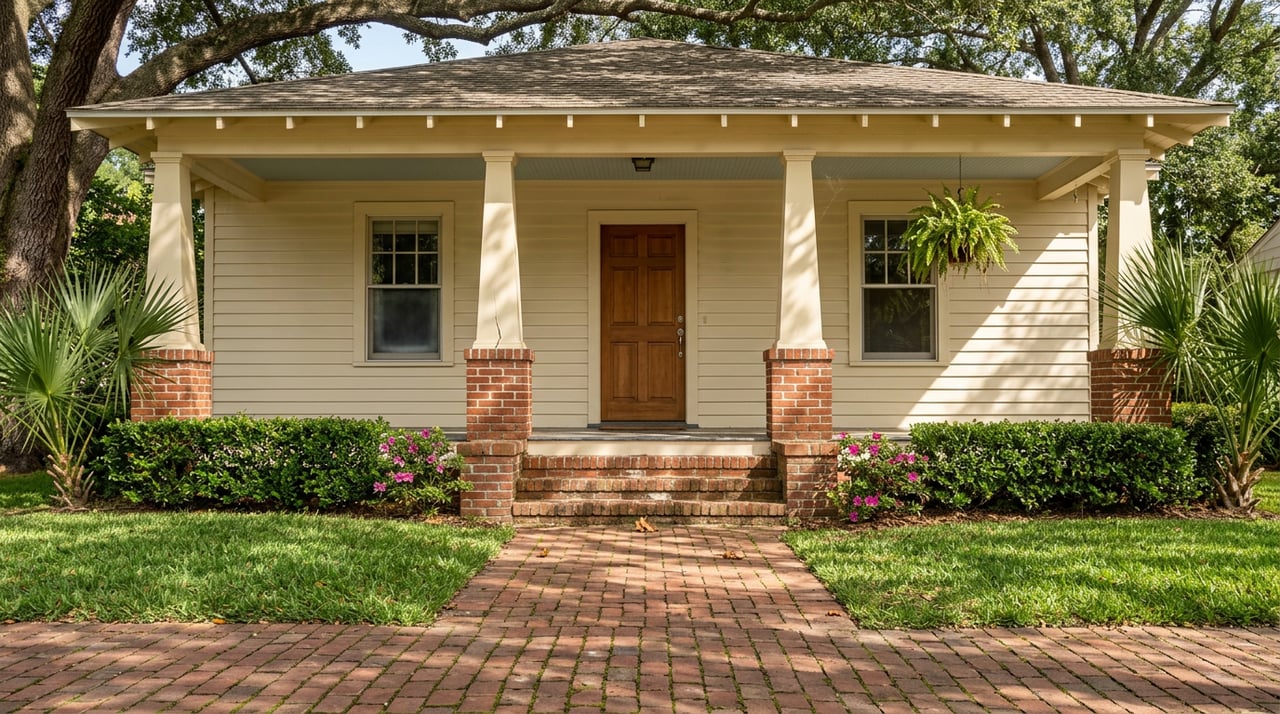
Across the beaches, you will see three main housing patterns. Prime beach nodes often favor mid- and high-rise condos with resort amenities. Older towns feature wooden cottages, duplexes, and small single-family lots that are often updated. You will also notice newer infill, like luxury condos and townhomes replacing smaller buildings in desirable blocks.
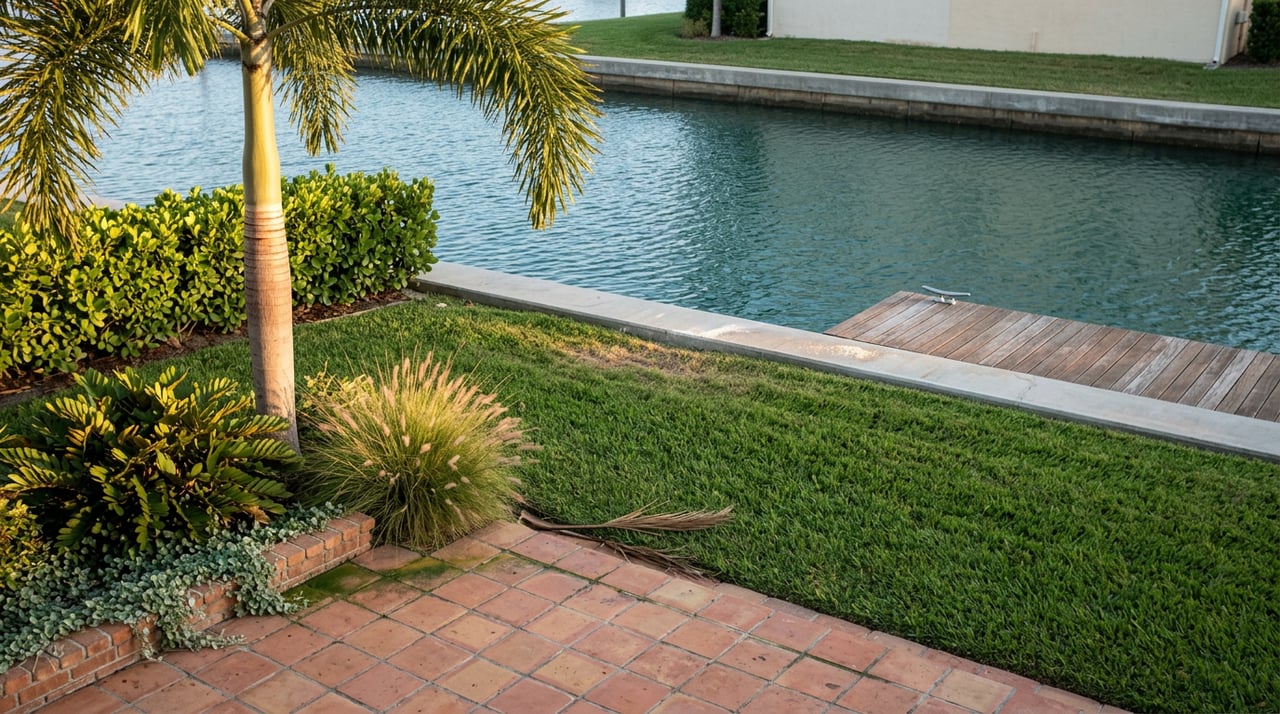
Prices vary widely by view and proximity to the sand. Direct Gulf-front and unobstructed-view properties command a premium over inland Pinellas neighborhoods. Condos are often a more affordable entry point than single-family beachfront homes, but they come with HOA fees and building rules that you should review closely. Investor interest and seasonal demand can also influence pricing and rental potential.
Ownership details to check
- HOAs and condos. Request budgets, reserve studies, insurance policies, board minutes, rental rules, and special-assessment history. For condos, ask about building age, recent capital projects, elevator service, and any hurricane shutter systems.
- Insurance. Coastal properties often require flood insurance along with wind or hurricane coverage. Get multiple quotes early so you understand availability and cost.
- Flood risk and elevation. Confirm the flood zone and base flood elevation for any property using the FEMA Flood Map Service Center. Even homes outside mapped zones can experience nuisance flooding in heavy storms or king tides. For broader context, explore NOAA coastal flood resources.
- Maintenance. Salt air accelerates wear on metal, HVAC systems, roofs, balconies, and docks. Budget for higher ongoing maintenance.
Short-term rentals at the beaches
Short-term rental rules vary by city. Some communities allow vacation rentals with registration and specific standards, while others limit them through minimum stays, noise rules, parking requirements, and local business taxes. Always confirm the latest local rules and permitting on the Pinellas County website and applicable municipal pages before you buy.
Getting around and daily logistics
Reaching Tampa from the beaches usually means crossing one of the main bridges. Typical non-peak drive times to downtown Tampa are often 25 to 45 minutes, and peak periods can add time. The best way to check your own routine is to test the commute during your likely travel hours.
Public transit is available through the Pinellas Suncoast Transit Authority (PSTA), which connects many beach areas to St. Petersburg and routes toward Clearwater. Frequency varies by route and season, so review schedules as part of your planning. Many beach neighborhoods are very walkable, and bike lanes and trails exist in parts of the county.
Parking is a day-to-day factor at popular beach nodes. You will find public and paid parking near spots like Pier 60, John’s Pass, and Pass-a-Grille. During high season and holidays, expect heavier traffic, limited parking, and more visitors.
Lifestyle and amenities
Living by the beach makes active routines easy. Common activities include walking the beach, swimming, paddleboarding, boating, fishing, beach volleyball, biking, and birding. Marinas in Clearwater and John’s Pass support charters and private boating.
Dining trends along the beaches lean casual and seafood-focused, with larger grocery and services often just over the bridges on the mainland. Cultural amenities are concentrated in downtown St. Petersburg, including museums, galleries, performing arts, and a wider restaurant scene. If arts and events are a priority, you can balance beach living with frequent trips into downtown St. Pete.
Public schools belong to Pinellas County Schools, with individual school assignments and program offerings varying by zone. Private school options exist across the region. Healthcare access includes hospitals and urgent-care centers in the St. Petersburg and Clearwater metro area, with proximity depending on your chosen neighborhood.
Safety planning is part of coastal living. During hurricane season, it helps to know your evacuation zone, reinforce property features, and keep an emergency plan. Review county guidance and storm resources through Pinellas County and stay informed during weather events.
A simple buyer’s checklist
Use this list to make a smart, step-by-step plan:
- Visit neighborhoods at different times. Go on weekday mornings and evenings, then during weekend peak season, to gauge noise, parking, and crowds.
- Confirm flood zone and elevation. Use the FEMA Flood Map Service Center and get early flood and wind insurance quotes for any property you like.
- Review HOA and condo documents. Ask for reserves, budgets, building insurance, board minutes, rental rules, and special-assessment history. For condos, confirm building age and major system updates.
- Test your commute. Drive to work or school during peak times to confirm real-world travel windows.
- Check local STR rules. Confirm current ordinances and any registration requirements on Pinellas County and the relevant city’s site.
- Verify parcel details. Review parcel and tax history with the Pinellas County Property Appraiser.
- Track market context. For up-to-date trends on inventory and days on market, check Florida Realtors market reports.
- Plan for maintenance. Budget for salt-related wear on HVAC, roofs, exterior paint, balconies, and docks.
- Explore transit options. If car-light living matters, look at PSTA routes and schedules to see how they match your routine.
Is a coastal beach home right for you?
If your perfect day starts with sand under your feet and ends with a sunset walk, Tampa Bay’s beaches can be a great fit. The key is matching your lifestyle to the right neighborhood and being realistic about crowds, maintenance, and insurance. With smart prep and local guidance, you can enjoy a daily routine that puts the Gulf within easy reach.
If you are weighing neighborhoods, comparing condo buildings, or evaluating commute trade-offs, connect with the Fate Team. Our boutique, marketing-led approach and local expertise help you find the right fit, then navigate the details with confidence.
FAQs
What should I know about flood risk on Pinellas beaches?
- Start by confirming the property’s flood zone and elevation on the FEMA Flood Map Service Center, then obtain flood and wind insurance quotes early to understand costs.
How long is the commute from the beaches to Tampa?
- Non-peak drives to downtown Tampa are often 25 to 45 minutes, but peak periods can add time, so test your route during your usual commute hours.
Are condos or single-family homes better for beach living?
- Condos often offer easier entry costs and amenities but come with HOA fees and rules, while single-family homes provide more privacy with higher maintenance and insurance responsibility.
Can I use a beach property for short-term rentals?
- Rules vary by city and may include registration, minimum stays, and parking or noise standards, so verify current ordinances on Pinellas County and the local municipality’s site.
What public transit options serve the beaches?
- The Pinellas Suncoast Transit Authority runs routes that connect beach communities to St. Petersburg and toward Clearwater, with frequency that varies by route and season.
Where can I find reliable local data when comparing options?
- Review parcel and tax details via the Pinellas County Property Appraiser and track trends through Florida Realtors market reports.