Wondering if buying a condo in Channelside is all about skyline views and walkable dining? It can be a great fit if you want an urban Tampa lifestyle, but the right purchase also depends on floor plan, monthly fees, building rules, and how you feel about living in an active downtown setting. If you are considering the Channel District, this guide will help you understand what to compare before you buy and what daily life here really looks like. Let’s dive in.
Why Channelside attracts condo buyers
The Channel District has changed from a historic maritime and industrial area into one of downtown Tampa’s most concentrated residential communities. According to the City of Tampa and the Tampa Downtown Partnership, it has become a place where many residents can meet most daily needs close to home.
That local convenience is a big part of the appeal. You are near Water Street Tampa, Sparkman Wharf, waterfront destinations, restaurants, shops, offices, and public spaces that support a more connected urban lifestyle.
What condo layouts look like here
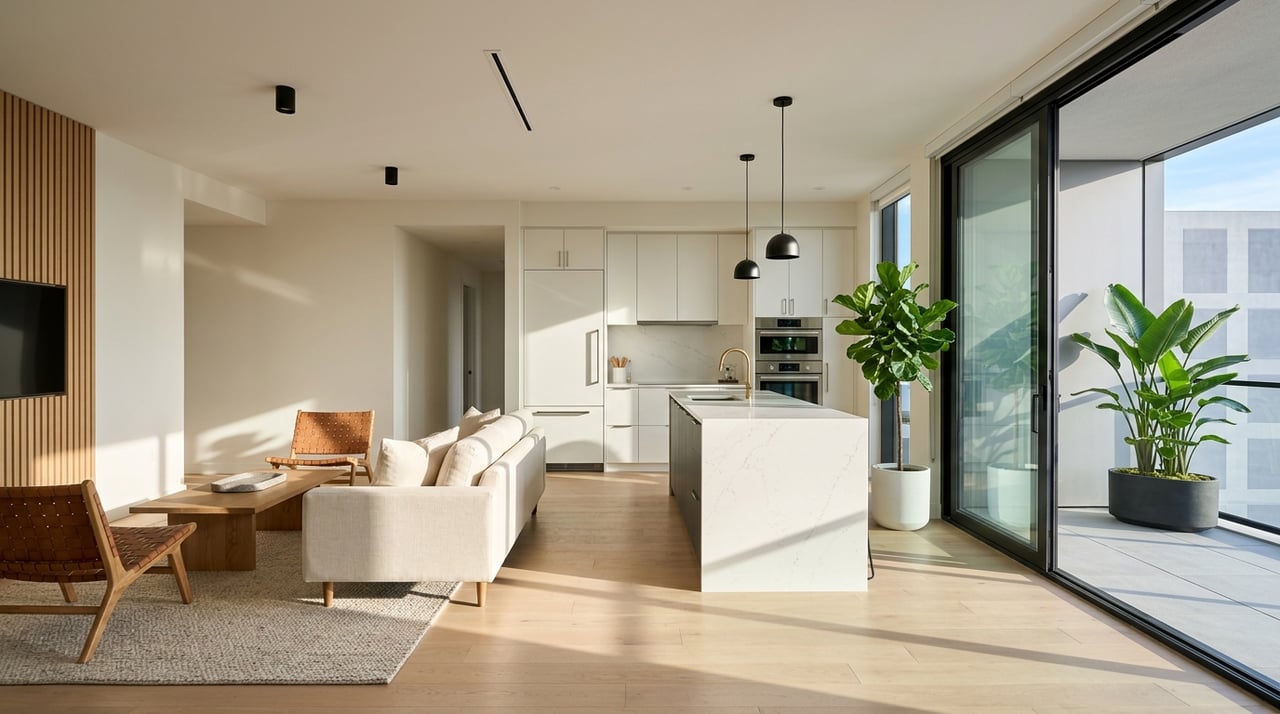
Many of the area’s condo buildings lean toward efficient urban floor plans rather than oversized suburban layouts. A number of sample towers in the district were built in 2007, so you will often see designs that prioritize open living areas, natural light, and practical use of space.
That means your search may feel different from shopping for a single-family home. Instead of looking for extra formal rooms, you may be comparing split-bedroom layouts, corner-window exposure, study nooks, and how well the kitchen and living areas flow together.
Common one-bedroom options
In nearby downtown high-rise examples like SkyPoint, one-bedroom homes have recently ranged from about 589 to 786 square feet. Listings have highlighted features like floor-to-ceiling windows, which can make a smaller layout feel more open and connected to the city outside.
If you want a lower-maintenance home base, this size range may be appealing. It can work well for buyers who care more about location and lifestyle than having a large footprint.
Common two-bedroom options
Two-bedroom condos give you more flexibility, and they are common in Channelside-area buildings. Recent examples include Grand Central at Kennedy homes around 1,050 square feet for a 2-bedroom, 1-bath layout and around 1,517 square feet for a 2-bedroom, 2-bath layout.
At The Place at Channelside, sample listings show 2-bedroom, 2-bath homes around 1,237 square feet and 2-bedroom, 3-bath homes around 1,454 square feet. These larger plans may offer more separation between bedrooms, room for guests, or extra flexibility if you need work-from-home space.
Features to compare inside the unit
Layout matters, but so do the details that affect your day-to-day living. Recent listings in the district mention features such as open floor plans, split bedrooms, gas cooking, study nooks, assigned parking, attached garage space, and wide window lines.
When you tour units, compare more than just square footage. Two condos with a similar size can live very differently depending on bedroom placement, storage, parking setup, and noise exposure.
HOA fees in Channelside
Monthly condo fees are one of the biggest parts of the buying decision in this market. Redfin reported that Tampa’s median monthly HOA dues rose 17.2% year over year to $614 in the three months ending July 31, 2024, with pressure tied largely to Florida safety compliance changes and rising insurance costs.
In the Channel District, actual fees can vary a lot by building and unit. That is why it is so important to compare the total value you are getting, not just the list price.
Sample fee ranges by building
Recent listings show a wide spread in monthly dues:
- Grand Central at Kennedy: $591, $804, and $1,453
- The Place at Channelside: $1,007, $1,029, $1,171.11, and $1,304.51
- SkyPoint: $828.89
Those numbers show why buyers should avoid assumptions. A condo that looks affordable at first glance may carry much higher monthly costs than a comparable unit in another building.
What fees may include
Condo fees in this area do not all cover the same things. One Grand Central listing included water, sewer, trash, cable, internet, phone, gas, hot water, and cold air.
Other buildings may include some mix of insurance, structure maintenance, security, pool access, fitness amenities, reserves, and front-desk or concierge service. Before you make an offer, ask for a clear breakdown of exactly what the monthly fee covers.
Florida condo due diligence matters more than ever
In Florida, reserve funding and building inspections are not background details. They are a central part of evaluating risk, future cost, and the overall health of the association.
For condo buildings with three or more habitable stories, a structural integrity reserve study must be completed at least every 10 years. For owner-controlled associations that existed on or before July 1, 2022, the initial study had to be completed by December 31, 2025.
Budgets adopted on or after December 31, 2024 cannot waive or underfund required structural reserves. Florida law also requires milestone inspections by the year a building turns 30 and every 10 years after that, with local enforcement able to require 25-year inspections in coastal circumstances.
Documents to request before you buy
Because inspection summaries and reserve-study notices must be distributed to owners, you should ask for current building documents early in the process. This helps you understand both current costs and possible future expenses.
Request these items before making an offer:
- Current annual budget
- Reserve study
- Milestone inspection report
- Any special assessment information
- Insurance summary
- Association approval requirements
- Current rental rules and restrictions
This step is especially important if you are buying with investment goals in mind. Recent listings in the district show that rental rules can vary by building, so you should never assume a condo is automatically rentable.
Unit-level checks buyers should not skip
Even in a well-known building, unit-specific details can change the value of the purchase. A smart comparison goes beyond finishes and view lines.
Make sure you verify these points for the exact unit you are considering:
- What the monthly fee includes, such as water, gas, cable, internet, HVAC, or trash
- Whether parking is deeded, assigned, or tied to garage access
- Whether storage is included
- Pet limits and other use rules
- Elevator access and convenience
- Any pending assessments or planned capital projects
Noise is also worth discussing during showings. Depending on location, you may hear activity tied to arena events, cruise operations, the streetcar corridor, or regular downtown traffic.
What daily life in Channelside feels like
Lifestyle is one of the biggest reasons buyers choose this area. Downtown Tampa’s official guide highlights waterfront access, parks, museums, sports, nightlife, and nearby attractions such as the Tampa Bay History Center, the Florida Aquarium, Sparkman Wharf, and water-taxi access.
The district has an energetic, urban feel. Residents often walk dogs, use nearby businesses, and enjoy a neighborhood where daily errands and entertainment can be close together.
Mobility and getting around
The TECO Line Streetcar adds another layer of convenience. HART describes it as a free 2.7-mile heritage line with 11 accessible stations connecting Downtown Tampa, the Channel District, and Ybor City.
That can make it easier to enjoy nearby destinations without always moving your car. HART also notes extended late-night service on some arena event nights, which supports the district’s active entertainment pattern.
Tradeoffs to consider
The same features that make Channelside exciting can also create friction for some buyers. Walkability and event energy often come with more traffic, parking sensitivity, and a busier rhythm than you would find in a suburban condo community.
If you love being near waterfront activity, dining, and downtown events, that tradeoff may feel worth it. If you prefer a quieter setting, it is smart to visit at different times of day and on event nights before making a decision.
How to decide if a Channelside condo fits you
A good Channelside purchase is not just about finding a beautiful unit. It is about matching your budget, lifestyle, and long-term plans with the right building and the right set of monthly obligations.
As you compare options, focus on four basics: layout, fees, rules, and location within the district. A condo with the best view is not always the best fit if the reserves are weak, the fees are higher than expected, or the building rules do not match your goals.
Buying in a building with strong documentation and a layout that supports your routine can give you much more confidence. In a market like Channelside, careful comparison is what helps turn a good-looking condo into a smart purchase.
If you are thinking about buying a condo in Channelside, working with a local team that understands building differences, lifestyle tradeoffs, and downtown Tampa micro-markets can make the process much easier. For tailored guidance on Channel District condos and central Tampa living, connect with The Fate Team.
FAQs
What are typical condo sizes in Channelside Tampa?
- Recent examples in the area show one-bedroom condos around 589 to 786 square feet and two-bedroom condos from about 1,039 to 1,517 square feet, depending on the building and layout.
What do HOA fees usually cover in Channelside condos?
- Coverage varies by building and may include items like water, sewer, trash, cable, internet, phone, gas, hot water, cold air, insurance, maintenance, security, amenities, reserves, and concierge-related services.
What condo documents should you review before buying in the Channel District?
- You should ask for the current budget, reserve study, milestone inspection report, special assessment information, insurance summary, association approval requirements, and current rental rules.
What is the lifestyle like in Tampa’s Channel District?
- The area offers an active urban lifestyle with walkability, waterfront access, restaurants, entertainment, and transit connections, but it can also come with traffic, parking pressure, and more daily activity than quieter residential areas.
Is the TECO Line Streetcar useful for Channel District residents?
- Yes. HART says the free 2.7-mile TECO Line Streetcar connects the Channel District with Downtown Tampa and Ybor City through 11 accessible stations, with extended late-night service on some arena event nights.