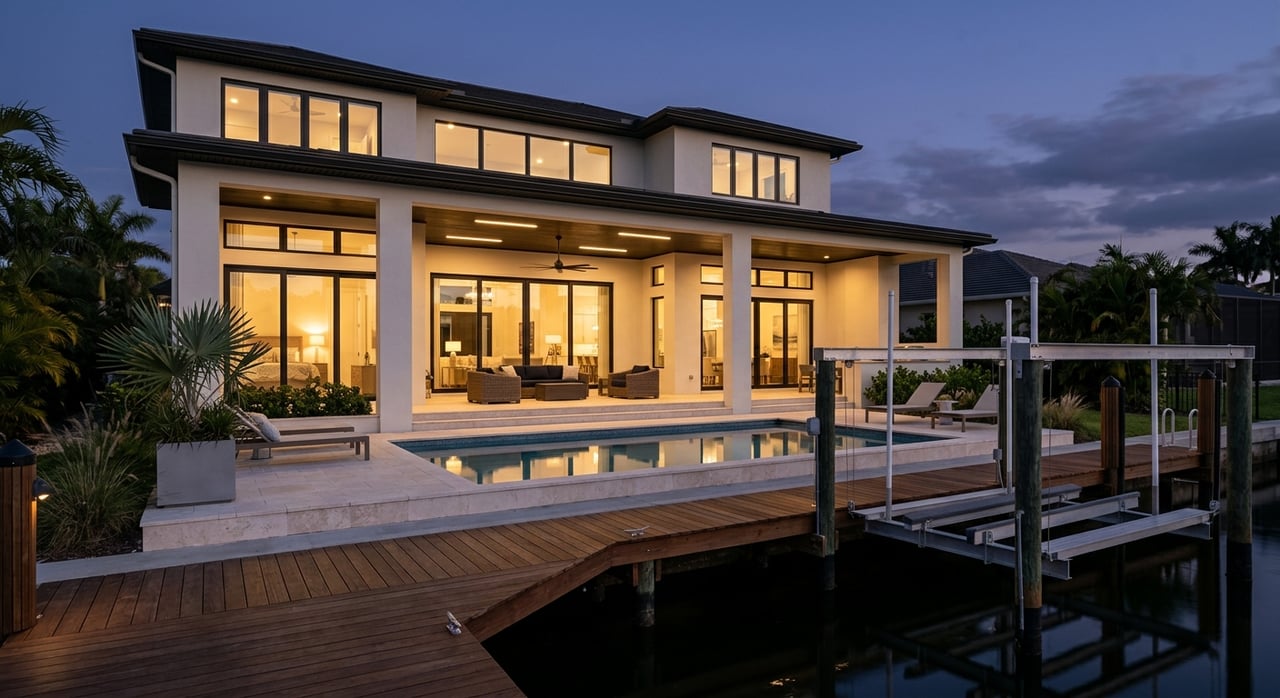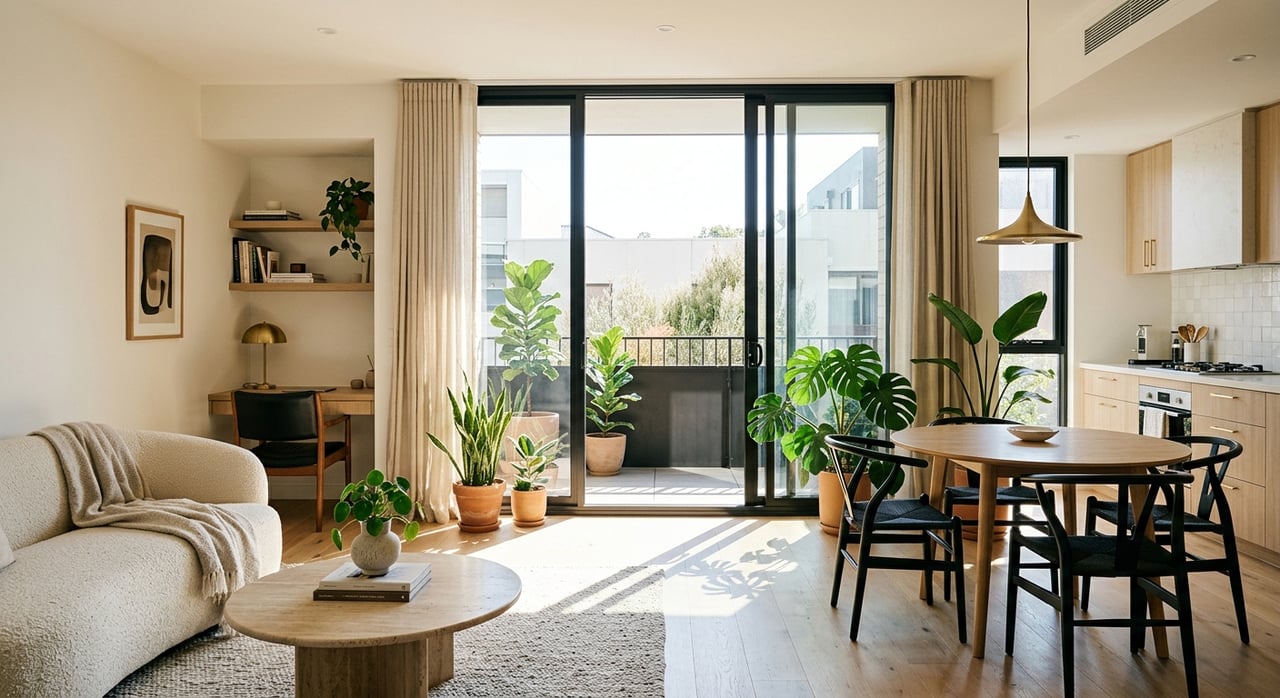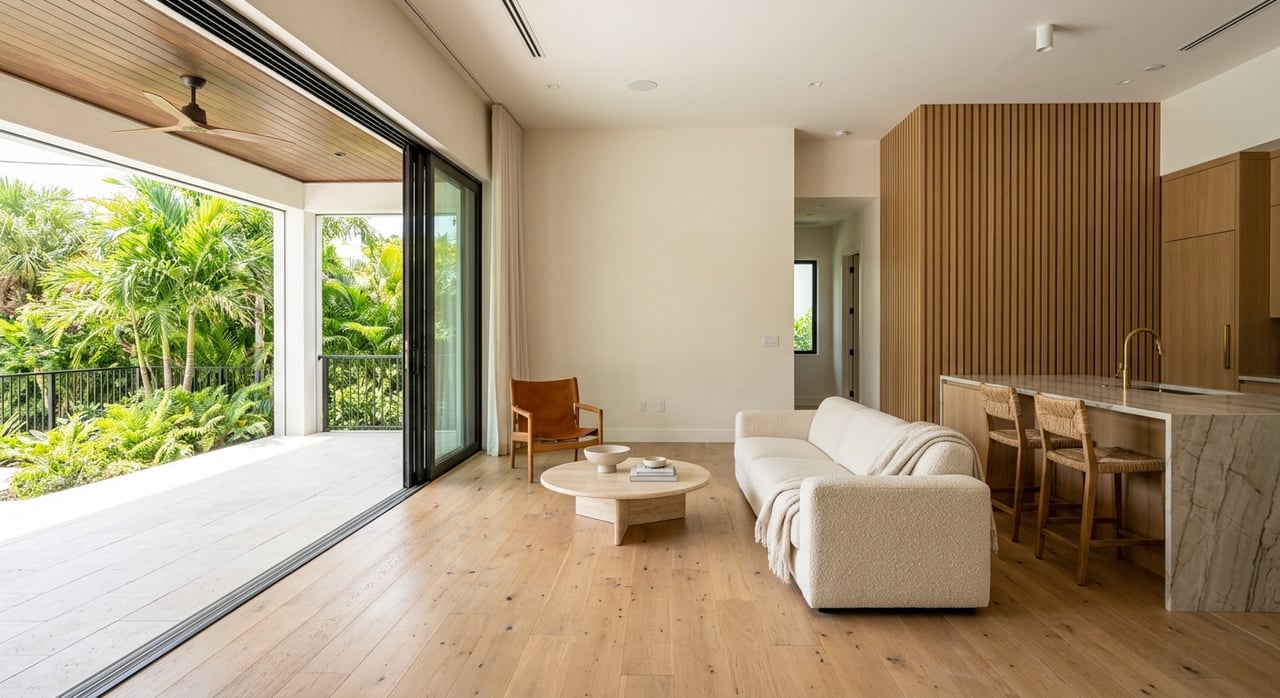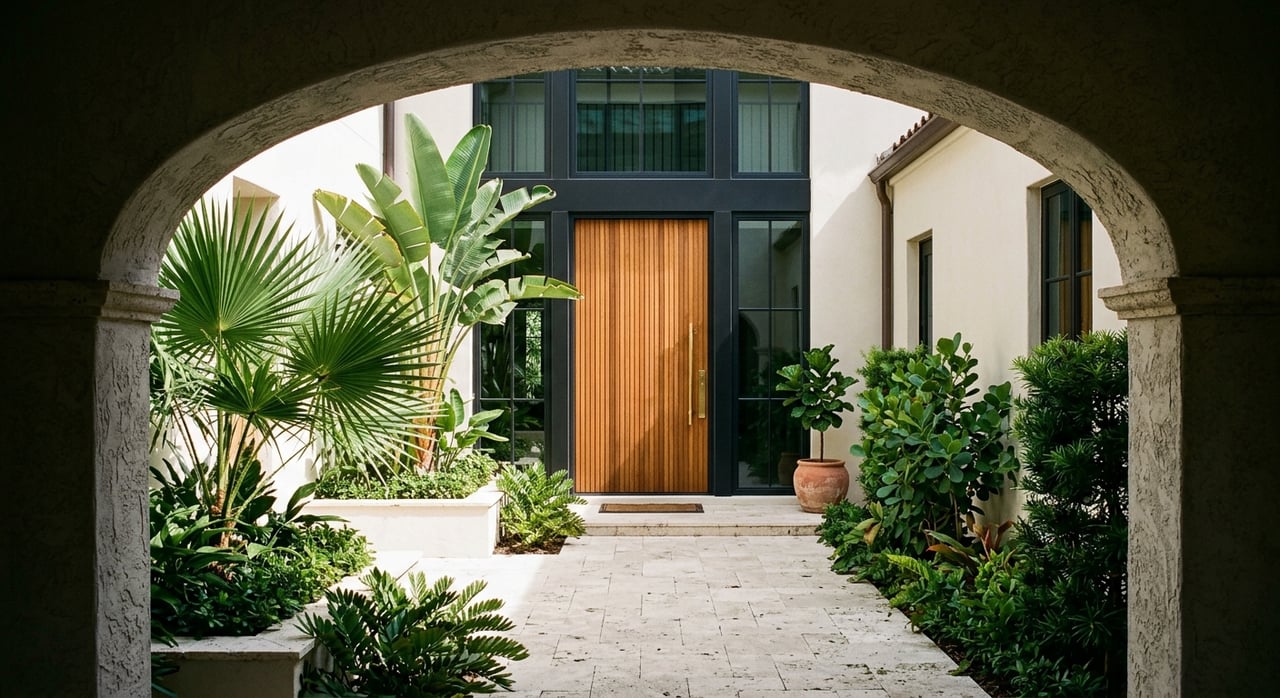
Thinking about a move to Tampa Bay and not sure where to start? That feeling is common, especially when one metro area can offer a high-rise downtown routine, historic streets near the urban core, larger-lot residential pockets, and beach-oriented alternatives all within a relatively short drive. If you are choosing your first neighborhood, the key is to match where you live with how you actually want to spend your days. Let’s break it down.
Start with your daily routine
When you relocate, it is easy to focus on curb appeal first and lifestyle fit second. In Tampa Bay, that can lead you in the wrong direction because neighborhood differences are not subtle.
A practical way to narrow your options is to compare each area by three things: commute pattern, housing form, and daily-life rhythm. That framework gives you a clearer picture than a listing description alone.
Use Downtown Tampa as your baseline
For a move centered on 33602, Downtown Tampa is the most useful starting point. The City of Tampa describes Downtown as a waterfront district with nightlife, parks, family-friendly entertainment, the Riverwalk, museums, and major sports and cultural options.
That matters because Downtown gives you the clearest picture of Tampa’s most central, urban lifestyle. It is also one of the best places to compare against everything else on your shortlist.
Why Downtown works as a reference point
Downtown Tampa is a strong fit if you want a more compact, car-light routine and lower-maintenance housing. The city notes that Tampa includes active multi-family communities on the downtown waterfront, which makes this area especially relevant if condos or similar housing types appeal to you.
Transit access also helps define the area. HART’s TECO Line Streetcar and Route 30 connect Downtown with the Channel District, Ybor City, and Tampa International Airport.
Downtown may fit you if you want
- A central location
- Easy access to the Riverwalk and parks
- Nearby dining, nightlife, and entertainment
- A more urban housing style
- A routine that may rely less on long daily drives
Compare Hyde Park for historic character
If Downtown feels too urban, Historic Hyde Park is a natural next comparison. The City of Tampa says it is one of the city’s oldest existing neighborhoods and sits just across the Hillsborough River from Downtown’s business and cultural core.
This area is often the right fit for buyers who want proximity to the center of the city but prefer a more established residential setting. It offers a different pace without feeling disconnected.
What stands out in Historic Hyde Park
The city notes that many renovated homes reflect Florida architectural styles from the 1920s and 1930s. It also highlights heavily shaded streets, access to Bayshore Boulevard, and the presence of retail and services at Old Hyde Park Village.
In simple terms, Hyde Park can offer a blend of historic character, neighborhood scale, and convenience to the urban core. If your goal is charm close to Downtown, this should be high on your list.
One important note for buyers
Historic district rules matter here. The city states that the local historic district is subject to ARC review and design guidelines, and that the district expanded in 2023 to include additional buildings.
If you are considering changes to a home, it is smart to understand those requirements early.
Look at Palma Ceia for established South Tampa living
Palma Ceia is another strong South Tampa option, but it brings a different feel than Hyde Park. According to the City of Tampa’s neighborhood guide, the area includes antique red brick roads, enormous oaks, and a wide range of housing designs and price ranges.
That mix can appeal to buyers who want an established neighborhood with both residential character and nearby everyday conveniences. It often works well if you want South Tampa lifestyle access without choosing a fully urban environment.
Why Palma Ceia stands out
The city’s Palma Ceia commercial-district plan says the area includes restaurants, coffee houses, bars, specialty shops, and clothing stores, with a vision for a vibrant mixed-use neighborhood center. That gives the neighborhood a practical lifestyle edge if you like having dining and errands closer to home.
Palma Ceia can be a strong match if you want a neighborhood that feels rooted and active at the same time.
Consider Beach Park for more space
If your move is less about walkability and more about room to spread out, Beach Park deserves a close look. The City of Tampa highlights its large oak trees, winding streets, very large lots, and wide variety of architectural styles.
This is a useful comparison point because it differs sharply from Downtown’s multi-family environment. It can give you the larger-lot residential feel that some relocation buyers expect when they picture established Tampa neighborhoods.
What Beach Park offers
The city notes that Beach Park developed in the early 1920s and still includes original Mediterranean-style mansions. For buyers drawn to established luxury settings and more land than they would typically find in the downtown core, that is a meaningful distinction.
If space, privacy, and a more residential rhythm lead your priorities, Beach Park may move to the top of your shortlist.
Decide if you are truly beach-first
Many people relocating to Tampa Bay say they want to live near the water, but that can mean very different things. Tampa has bay-oriented beaches, while Gulf-front beach living is more directly associated with Pinellas County.
That is an important distinction to make before you commit to a neighborhood search.
Tampa water access vs Gulf-front living
Tampa includes bay-oriented beach areas such as Ben T. Davis, Picnic Island, Cypress Point, and Davis Islands. But if the beach itself is driving your move, Pinellas County’s beach system offers the more literal beach comparison, including Fort De Soto, Sand Key, Fred Howard, and access points at places like Indian Rocks Beach, Madeira Beach, Redington Shores, and St. Pete Beach.
If your ideal routine includes frequent Gulf beach time, it may make sense to compare central Tampa options with Pinellas communities rather than assuming they offer the same lifestyle.
Coastal ownership needs extra diligence
Pinellas County also emphasizes that shoreline living comes with added planning considerations, including sea-level-rise planning, natural-disaster risk, dune protection, and evacuation-zone awareness. If you are looking at coastal property, those ownership realities should be part of your decision from the beginning.
Confirm boundaries before you fall in love
One of the easiest mistakes relocation buyers make is assuming neighborhood names are used loosely and consistently. In Tampa, that can create confusion.
The city’s neighborhood guide and maps show why it is important to verify exact boundaries. Tampa separately tracks places like Palma Ceia, Palma Ceia West, and Palma Ceia Pines, so a shorthand name in a listing may not tell the full story.
Use maps, not just listing language
Before you decide an area is right for you, confirm it on the City of Tampa’s Neighborhood Association Map and City Limits Map. This helps you avoid mixing up ZIP-code shorthand, neighborhood association names, and official city neighborhood boundaries.
That extra step can save time and help you compare homes more accurately.
Test neighborhoods before you buy
If you are still learning Tampa Bay, you do not have to force a fast answer. A smart discovery process often starts with virtual tours, then moves into in-person visits on both a weekday and a weekend.
That gives you a more realistic feel for what daily life will actually look like.
What to pay attention to during visits
As you explore each area, compare:
- Commute feel at likely travel times
- Parking convenience
- Noise levels
- Errand access
- The difference between weekday and weekend activity
These small details can have a big effect on whether a neighborhood feels right after the excitement of a move wears off.
When renting first makes sense
A rent-then-buy approach can be a practical option if you are still narrowing the field. That might mean taking a short lease in the submarket that seems most promising, testing your commute and weekend routine, and buying after you have lived the rhythm for yourself.
It is not the right move for everyone, but it can be a smart discovery tactic.
Get financially ready before making offers
Once you narrow your shortlist, your next step is financial clarity. The Consumer Financial Protection Bureau says you can explore loan choices and homes at the same time, and that preapproval is part of the process.
That early preparation helps you move with more confidence when the right property appears.
Keep the full monthly cost in view
The CFPB also notes that closing costs typically run 2% to 5% of the purchase price. Beyond the mortgage itself, buyers should factor in disaster risk and the availability and cost of insurance.
That is especially important in Florida, where property-related costs can vary meaningfully by location and risk profile.
Add legal review to your checklist
The Florida Bar advises consulting a Florida-licensed real estate lawyer before signing a purchase contract. It also recommends extra care with new construction or recently built homes, where title, lien, permit, and occupancy issues may matter.
For coastal or beach-area purchases, this due diligence becomes even more important.
A simple way to choose your first neighborhood
If you want the quickest summary, here is a practical starting framework:
- Most central: Downtown Tampa
- Most historic: Historic Hyde Park
- Established South Tampa with neighborhood commercial activity: Palma Ceia
- Larger-lot residential feel: Beach Park
- Most beach-first lifestyle: Pinellas County beach communities
Your best choice depends less on what sounds impressive and more on how you want to live day to day. The right neighborhood is the one that fits your commute, housing preferences, and weekly routine with the fewest compromises.
If you are planning a move and want local guidance on central Tampa neighborhoods, waterfront options, or a smart rent-versus-buy strategy, The Fate Team can help you compare the details and move forward with clarity.
FAQs
What is the most central neighborhood option for relocating to Tampa Bay?
- For a move centered on 33602, Downtown Tampa is the clearest baseline because it offers a waterfront setting, Riverwalk access, parks, entertainment, and transit connections to nearby districts and the airport.
What Tampa neighborhood offers the most historic character near Downtown?
- Historic Hyde Park is one of Tampa’s oldest existing neighborhoods and sits just across the river from Downtown, making it a strong option if you want historic homes and proximity to the urban core.
What South Tampa neighborhood gives you more space and larger lots?
- Beach Park is the standout comparison for buyers who want a more residential setting with very large lots, winding streets, and a wide variety of architectural styles.
What Tampa neighborhood blends established homes with shops and dining nearby?
- Palma Ceia is a strong fit if you want an established South Tampa neighborhood with a mix of housing types and access to restaurants, coffee houses, bars, and specialty shops.
Should you rent before buying when relocating to Tampa Bay?
- Renting first can be a smart discovery tactic if you are still learning the area, especially if you want time to test commute patterns, weekend routines, parking, and noise before buying.